
The Real Downsides of Coding: What No One Tells You
Discover the hidden downsides of coding, from burnout and physical strain to constant upskilling pressures. Learn what really happens behind the scenes of a tech career.
Looking for a coding class but feeling overwhelmed by the options? You’re not alone. Whether you want to build a website, create an app, or switch careers, the right class can make the difference between quitting and succeeding. This guide breaks down what to look for, how to pick the best language, and where to find trustworthy resources.
A good class teaches concepts step by step, uses real‑world examples, and offers plenty of practice. Look for courses that start with basics like variables and loops before jumping into complex projects. Reviews from other students can tell you if the instructor explains things clearly and answers questions promptly.
Another sign of quality is a clear roadmap. The syllabus should show how each lesson builds on the previous one, ending with a small project you can showcase. Projects such as a personal website or a simple game help you see progress and keep motivation high.
Python tops the list for most newbies because its syntax reads like plain English. You can write a hello‑world program in just a couple of lines, and the language works for web development, data analysis, and AI. If you’re interested in building interactive websites, JavaScript is the go‑to language, and it pairs well with HTML and CSS.
For mobile apps, consider learning Kotlin for Android or Swift for iOS. Each language has its own ecosystem, so think about where you want to apply your skills. The articles on this site, like ‘Best Coding Languages for Beginners: Smart Choices for 2025,’ dive deeper into each option.
Don’t forget to match the language with the class format. Some platforms focus on Python, while others specialize in JavaScript bootcamps. Checking the course description for language focus saves you time and avoids frustration.
Time commitment matters too. If you can study a few hours each day, a self‑paced online course works well. If you need a set schedule, look for live virtual classes that meet twice a week. Many programs offer a mix of recorded lessons and live Q&A sessions.
Cost is another factor. Free courses give a solid introduction, but paid classes often provide mentorship, code reviews, and career support. Compare what’s included – a community forum, project feedback, and a certificate can add real value.
One common worry is whether you can learn to code at any age. Articles like ‘Is 35 Too Old to Learn Coding?’ prove that age isn’t a barrier. The key is consistent practice and choosing a class that respects your pace.
Finally, test the waters before committing. Many platforms offer a free trial or a short introductory module. Use this to gauge the teaching style, platform usability, and whether you enjoy the coding exercises.
Ready to start? Browse our collection of posts for detailed reviews of popular coding classes, tips on staying motivated, and answers to common questions like ‘Is coding hard?’ and ‘Can I learn coding in 3 months?’ You’ll find practical advice that cuts through the hype and helps you pick a class that fits your life.
Remember, the best code you’ll ever write starts with a single line of practice. Pick a class, set a small goal, and keep coding every day. Your future self will thank you.
Discover the hidden downsides of coding, from burnout and physical strain to constant upskilling pressures. Learn what really happens behind the scenes of a tech career.

Are coders still in demand in 2026? Yes, but the role has changed. AI automates syntax, increasing demand for architects and specialists. Learn how to choose the right coding classes and skills.

Does coding get easier? Yes, but not how you think. Discover the cognitive shifts that make programming less frustrating over time, why the first few months are hard, and how coding classes accelerate your journey from beginner to confident developer.

Comparing Java and Python salaries in 2026. Discover which programming language offers higher pay, better job stability, and faster career growth for developers.
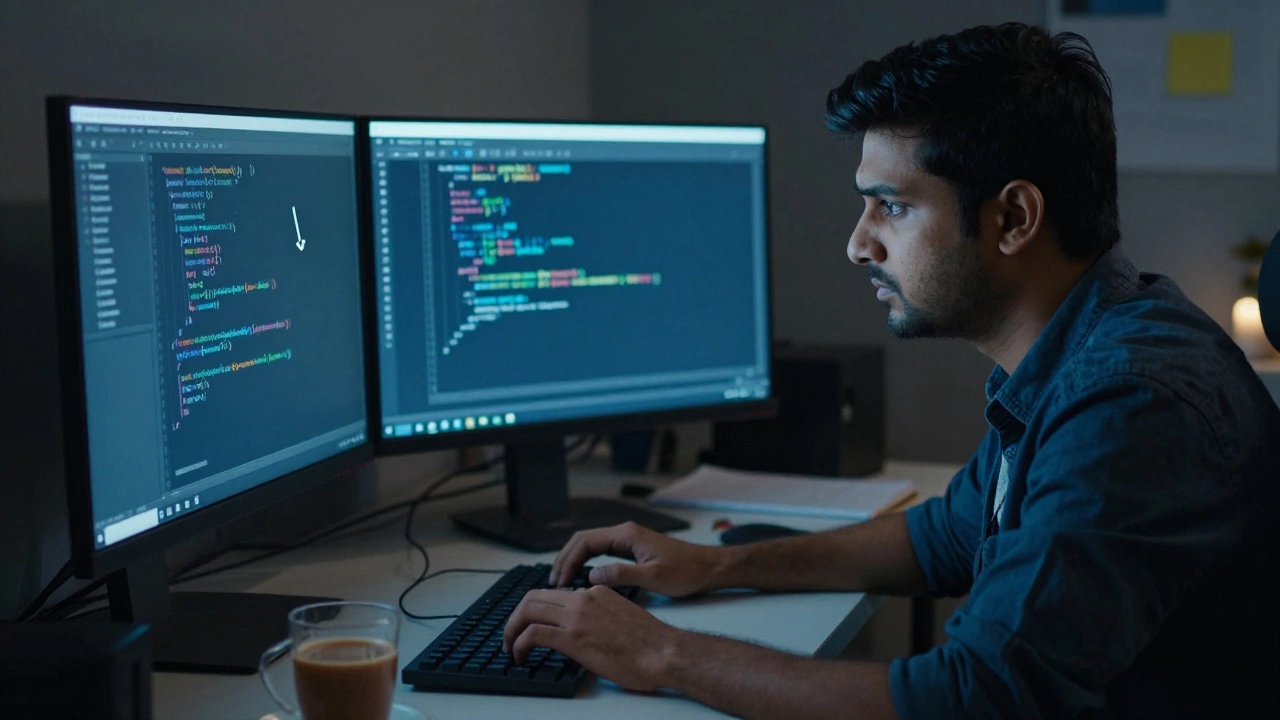
Discover the real challenges of learning to code. From abstract thinking to debugging and system design, we break down what makes programming difficult and how to overcome the mental barriers.

Explore the real challenges of learning to code, from programming logic and debugging to overcoming tutorial hell and imposter syndrome.
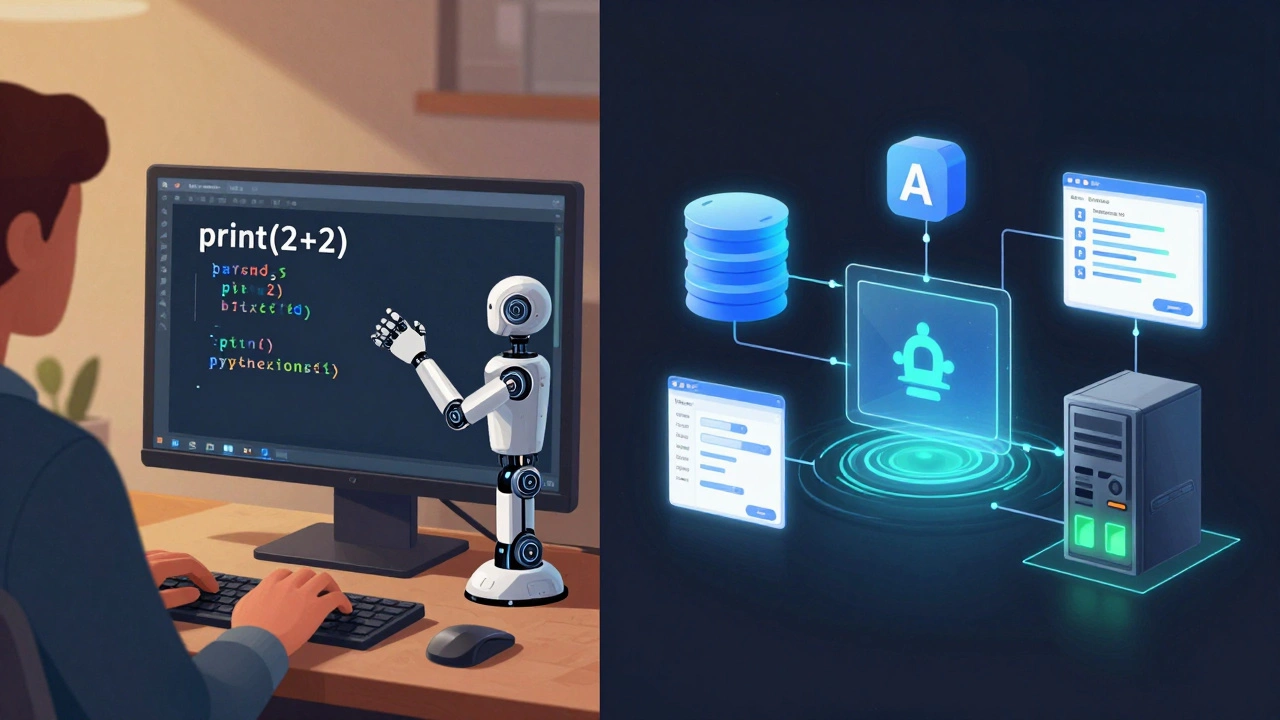
Learn the real difference between coding and programming - why focusing on just writing code won't get you a job, and how to actually become a skilled developer.

Coding and math are both challenging, but in different ways. Coding is about building things through trial and error. Math is about proving truths with precision. Which is harder depends on how you think.

Find out real coding salaries in Canada for 2026-from entry-level to senior roles. Learn what skills pay the most, how remote work affects pay, and how fast you can start earning.

A detailed guide that explains the average cost of coding classes, factors influencing price, hidden fees, and tips to save money, helping learners decide the right investment.

Explore the golden rule of coding, why it matters, and practical ways to apply it daily. Learn related principles like DRY, KISS, and SOLID, plus a checklist and FAQ for clean, maintainable code.
Curious about coding but unsure where to start? Discover the easiest coding languages for absolute beginners, real-world uses, and helpful tips to kick off your journey.