Which Jobs Use Coding? Real Roles That Need Programming Skills
 Mar, 6 2026
Coding Skills for Your Job
Many jobs already use coding to automate repetitive tasks. This tool helps you identify if your work could benefit from basic programming skills. Based on your selections, we'll show you relevant examples from healthcare, finance, marketing, and more.
Think coding is only for software engineers? That’s a myth. Coding isn’t just about building apps or fixing bugs in Silicon Valley. It’s hiding in plain sight in jobs you’d never guess. From doctors to farmers, marketers to firefighters-people are using code to get their work done faster, smarter, and with less guesswork.
Coding Isn’t Just for Tech Companies
You don’t need a computer science degree to use code. Many people learn just enough Python, SQL, or JavaScript to automate the boring stuff. A nurse in Toronto uses a simple script to pull patient data from spreadsheets instead of typing it by hand. A retail manager in Calgary writes a script to track inventory spikes before holidays. These aren’t developers. They’re professionals who found a better way.
The real shift? Companies aren’t hiring coders to replace workers. They’re hiring workers who can code-not to build the next app, but to fix their own workflows. That’s why jobs that use coding are growing outside of tech.
Healthcare: Code That Saves Lives
Hospitals run on data. Patient records, lab results, medication schedules-all stored digitally. But manually entering data? That’s where errors creep in. That’s where coding steps in.
Medical coders use Python to clean up messy data from insurance claims. Biomedical engineers write scripts to analyze MRI scans faster. Even nurses in emergency rooms use custom tools built with JavaScript to prioritize patients based on symptoms and vitals. A 2024 study from the Canadian Institute for Health Information found that hospitals using automated data tools saw a 22% drop in billing errors and a 17% reduction in patient wait times.
You don’t need to be a programmer to do this. Many healthcare workers learn through free online modules. They start with drag-and-drop tools like Bubble or Glide, then move into writing basic scripts. It’s not about replacing doctors. It’s about giving them more time to care.
Finance and Accounting: Automating the Numbers
Accountants used to spend weeks reconciling spreadsheets. Now, many use Python or Excel macros to do it in hours. A small business accountant in Hamilton automates monthly reports by connecting bank feeds to Google Sheets using a script. No more copy-pasting. No more typos.
Financial analysts use SQL to pull transaction data from databases instead of waiting for IT teams. Risk managers build models in R to predict loan defaults. Even tax preparers use code to scan thousands of receipts and categorize expenses automatically.
One CPA firm in Ontario reported a 40% drop in overtime during tax season after training their staff in basic automation. The key? They didn’t hire new coders. They taught the accountants already there how to write simple scripts.
Marketing and Sales: Data-Driven Decisions
Marketers used to guess what worked. Now they measure everything. And measuring means using code.
A digital marketer in Vancouver uses Python to scrape competitor pricing every night. She runs A/B tests automatically and sends alerts when a campaign underperforms. A sales rep in Edmonton writes SQL queries to find which leads are most likely to close based on past behavior. They don’t call themselves coders. But they’re doing the same work as data analysts.
Tools like Google Sheets with Apps Script let non-tech users automate email campaigns, update customer lists, and track conversions without hiring developers. A 2025 survey by HubSpot found that 68% of marketers who used automation tools saw a 30%+ increase in lead conversion.
Manufacturing and Logistics: Code in Factories
Think factories are all machines and no brains? Think again.
Plant operators in Windsor use Python scripts to monitor equipment sensors and predict breakdowns before they happen. Warehouse workers in Mississauga use barcode scanners linked to custom databases to track shipments in real time. Logistics managers write rules in JavaScript to optimize delivery routes based on traffic and weather.
A recent report from the Canadian Manufacturing Technology Centre showed that factories using basic automation tools reduced downtime by 35% and cut shipping errors by 41%. These weren’t engineers. They were line workers who learned enough code to fix their own problems.
Agriculture and Environmental Work
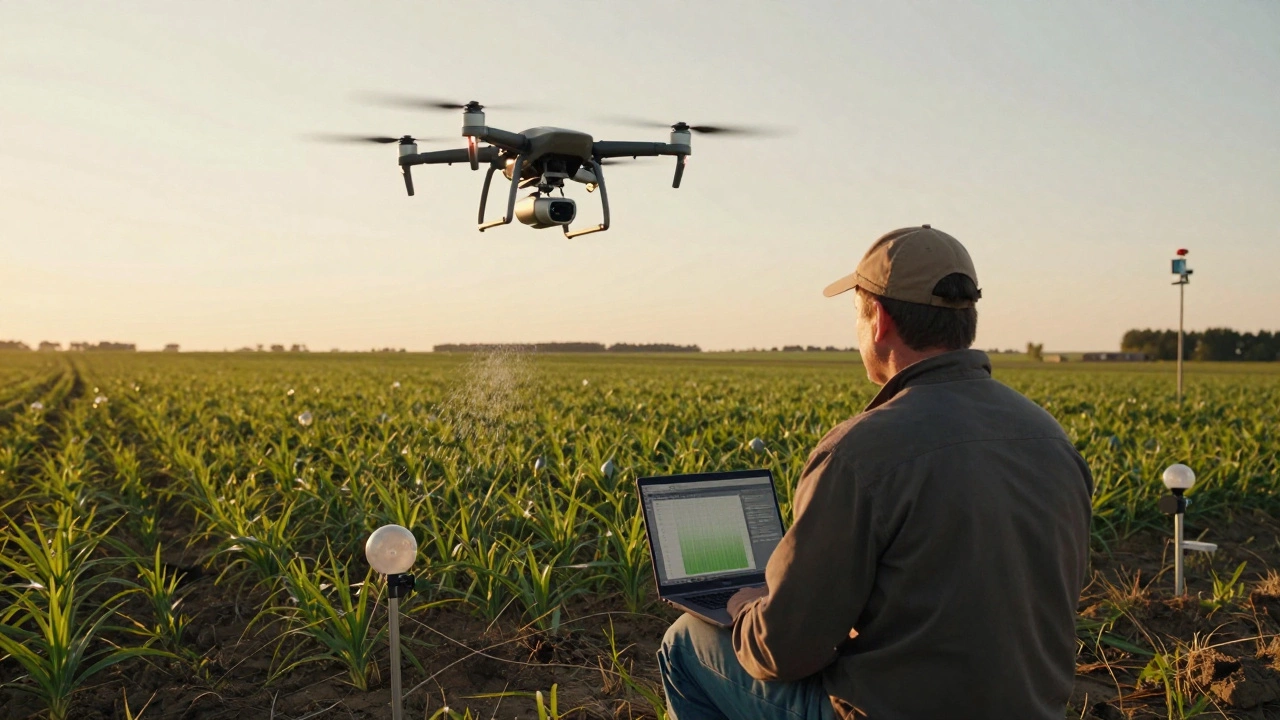
Farmers aren’t just planting crops-they’re collecting data. Soil sensors, drone imagery, weather stations-all generate numbers. And those numbers need to be turned into action.
A farmer in Saskatchewan uses R to analyze rainfall patterns and predict crop yields. A conservation officer in British Columbia writes Python scripts to track wildlife movement using GPS collars. Even park rangers use simple code to automate visitor counts and detect illegal activity from camera traps.
Agri-tech startups now offer free coding workshops for farmers. The goal? Not to turn them into programmers. But to give them control over their data. One pilot program in Alberta helped 300 small farms increase profits by 18% in one season using automated irrigation scripts.
Education and Public Services
Schools and government offices are full of repetitive tasks. Grading papers. Processing applications. Tracking attendance. Coding helps here too.
A high school teacher in Ottawa built a tool in Google Apps Script to auto-grade multiple-choice quizzes and send instant feedback to students. A city clerk in Quebec City automated permit applications, cutting processing time from 10 days to 2. Public health workers use code to map disease outbreaks and alert clinics before they spread.
These aren’t IT departments. These are teachers, clerks, and social workers who took 10 hours to learn a few lines of code-and saved themselves hundreds of hours a year.

What Skills Do You Actually Need?
You don’t need to learn C++ or build an app from scratch. Most jobs that use coding only need:
- Python - for data cleaning, automation, and simple tools
- SQL - to pull information from databases
- JavaScript - to automate web forms and spreadsheets
- Excel formulas + macros - still powerful for many roles
Start with one tool. One problem. One hour a week. You don’t need a degree. You need curiosity.
Where to Start (Without Paying for a Bootcamp)
Free resources are everywhere:
- Codecademy - free intro to Python and SQL
- Google’s Python for Non-Programmers - designed for office workers
- YouTube: “Automate the Boring Stuff” - real examples, no fluff
- Libraries in Toronto - offer free coding workshops for adults
Try this: Pick one task you do every week that feels repetitive. Then find one tutorial to automate it. That’s your first step.
What Jobs Don’t Use Coding? (And Why That’s Changing)
There are still jobs where code doesn’t fit. A painter. A hair stylist. A plumber. But even these roles are changing. A plumber in Calgary uses a tablet to log job details and auto-generate invoices. A stylist in Montreal uses an app built with code to track client hair history.
The trend is clear: If a job involves data, repetition, or decision-making-it’s likely already being touched by code. The question isn’t whether your job uses coding. It’s whether you’re using it-or someone else is.
Final Thought: Coding Is a Tool, Not a Title
You don’t have to call yourself a coder to use code. You just have to be willing to learn how to make your work easier. The future belongs to people who can solve their own problems-not wait for someone else to fix them.
Do I need a computer science degree to get a job that uses coding?
No. Most people who use coding in their jobs don’t have degrees. They learned online, through free courses, or from coworkers. Employers care more about what you can automate than what’s on your diploma.
What’s the easiest coding skill to learn for beginners?
Python is the easiest. It’s readable, forgiving, and used everywhere-from finance to farming. Start with automating a spreadsheet or organizing your files. That’s a real win you can see in one afternoon.
Can I learn coding while working full-time?
Yes. Most people learn in 10-15 hours total. That’s one hour a week for a month. You don’t need to quit your job. Just pick one small task and automate it. That’s how it starts.
Is coding going to replace my job?
Not if you learn it first. Jobs that don’t adapt to automation are at risk. But jobs where people use code to improve their work? Those are growing. The goal isn’t to compete with machines. It’s to use them.
What if I’m not good at math?
You don’t need advanced math. Coding for jobs is about logic, not equations. It’s about telling a computer what to do step by step. If you can follow a recipe, you can write code.