What Is an Open Competitive Examination? A Clear Guide for Aspiring Candidates
 Dec, 1 2025
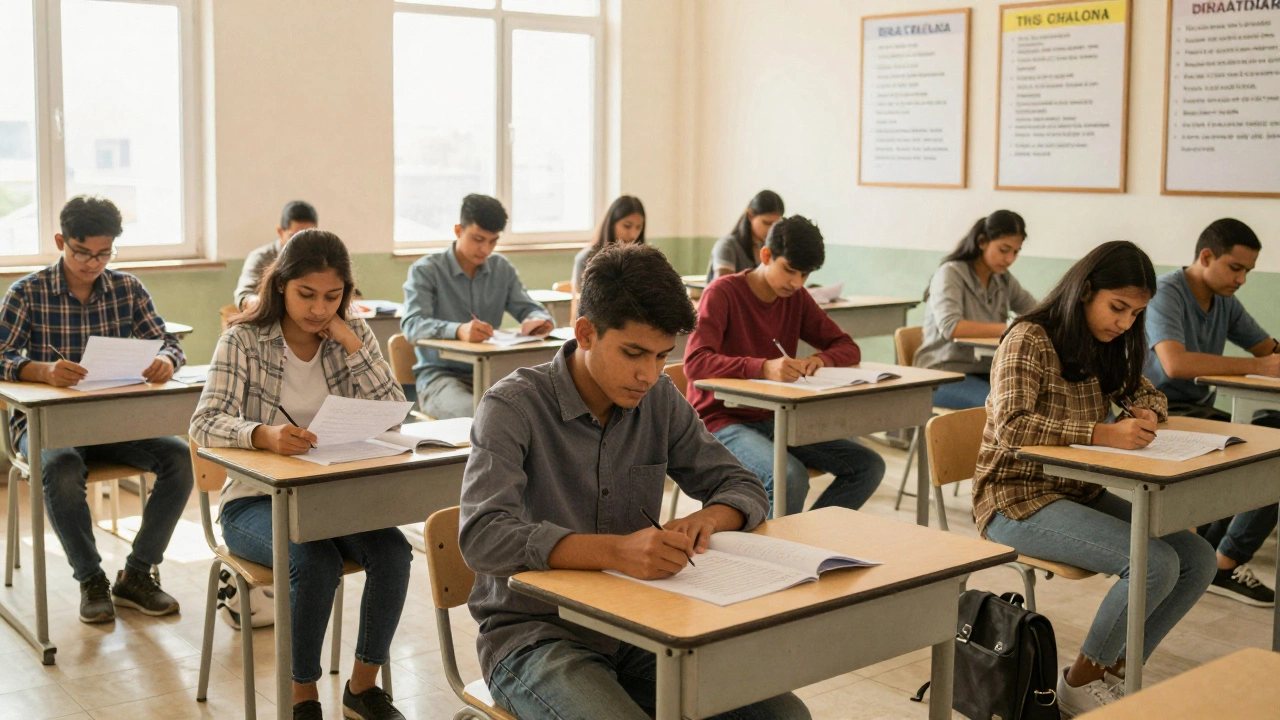
Ever wonder how governments hire people for jobs like police officers, tax inspectors, or district administrators? It’s not about who you know or how much you can pay. It’s about who performs best on a fair, standardized test. That’s what an open competitive examination is all about.
What Exactly Is an Open Competitive Examination?
An open competitive examination is a public hiring process where anyone who meets basic eligibility rules can apply, and the best candidates are selected based solely on their performance in a written or oral exam. There’s no favoritism, no backdoor entry, and no influence-peddling. The system is designed to be transparent, merit-based, and accessible to all qualified applicants.
This isn’t just a theory. Countries like India, the United States, France, and Canada use versions of this system to staff their civil services. In India, the UPSC Civil Services Exam is one of the most famous examples. In the U.S., the federal government uses competitive exams for roles like postal workers, customs agents, and administrative officers. The goal? To build a public workforce that’s skilled, impartial, and accountable to the people.
How Does It Work?
The process usually follows three clear steps:
- Announcement - The government or public agency releases a notice listing the job openings, required qualifications, exam format, and important dates. These are published in official gazettes, websites, and sometimes newspapers.
- Application and Screening - Anyone who meets the minimum criteria (like age, education, or citizenship) can apply. There’s no limit on how many people can sign up. After applications close, a preliminary screening might remove those who don’t meet the basic requirements.
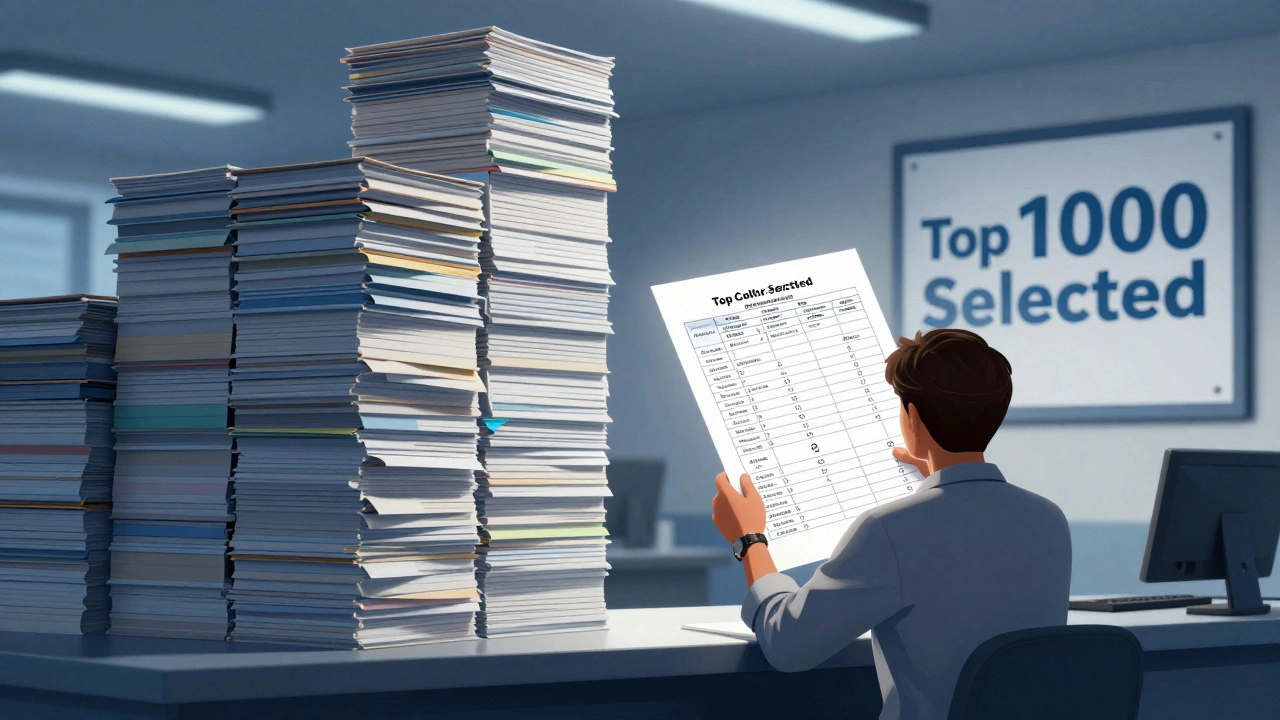
- Examination and Selection - Candidates take one or more exams. These can include multiple-choice questions, essay writing, interviews, or practical tests. Scores are ranked publicly. The top scorers get the jobs, one by one, until all positions are filled.
There’s no waiting list. No internal referrals. No quotas based on connections. Just results.
Why Is It Called ‘Open’ and ‘Competitive’?
The word open means anyone can enter - no hidden doors, no elite circles. You don’t need a family member working in the government, or a political sponsor. All you need is the right education and the will to prepare.
The word competitive means it’s a race. Thousands, sometimes millions, apply for hundreds of spots. In India’s UPSC exam, over 10 lakh people apply each year for around 1,000 positions. That’s a success rate of less than 0.1%. The competition is fierce, and only those who study hard, stay consistent, and understand the exam pattern make it.
What’s Tested in These Exams?
Open competitive exams don’t just check your memory. They test your ability to think, analyze, and solve real-world problems. Here’s what you’ll usually face:
- General Studies - History, geography, politics, economics, and current affairs. You need to know how the country works, not just memorize dates.
- Subject-Specific Knowledge - For technical roles like engineers or accountants, you’ll get questions tied to your field.
- Language Skills - Often, you must write essays or comprehension passages in the official language(s) of the country or region.
- Personality and Interview - After written exams, shortlisted candidates face a panel. They assess your communication, ethics, decision-making, and emotional maturity.
For example, the Canadian Public Service Commission’s exams for administrative roles include situational judgment tests - real-life scenarios where you pick the best response. It’s not about what you know; it’s about how you act under pressure.
Who Benefits From This System?
Everyone does - if it’s run well.
For candidates, it’s the great equalizer. A student from a small town in Bihar can land the same job as someone from Delhi - if they score higher. A single mother in rural Ontario can become a federal inspector if she studies hard enough. It gives hope to people who have no money, no connections, but plenty of determination.
For governments, it means hiring the most capable people, not the most connected. That leads to better public services, less corruption, and more trust in institutions.
For society, it creates a sense of fairness. People believe the system works because they’ve seen someone like them succeed. That belief keeps the social contract alive.
What Are the Downsides?
No system is perfect. Open competitive exams have real problems.
First, they’re expensive to run. Printing papers, hiring exam centers, training staff, and verifying results costs millions. That’s why some countries cut corners - leading to leaks or delays.
Second, the preparation is brutal. Many candidates spend years studying, often quitting jobs or putting their personal lives on hold. The stress can be overwhelming. Some studies show over 60% of UPSC aspirants take the exam more than three times before clearing it.
Third, the exams can favor those with access to coaching centers, books, or internet. In places where education is unequal, the system can unintentionally reward privilege - even if it’s meant to fight it.
Still, these are flaws in implementation, not in the idea. The solution isn’t to scrap the system - it’s to fix how it’s run. More online exams. Free study materials. Better rural test centers. Support for first-time applicants.
How Is This Different From Other Exams?
Not all competitive exams are open. Here’s how they differ:
| Feature | Open Competitive Examination | Private Sector Hiring | Entrance Exams (e.g., JEE, NEET) |
|---|---|---|---|
| Purpose | Recruit for government jobs | Fill company roles | Admit to educational programs |
| Who can apply | Any qualified citizen | Usually requires resume, interview | Usually requires school qualifications |
| Selection Basis | Exam scores only | Skills, experience, connections | Exam scores + seat availability |
| Transparency | High - results published publicly | Low - decisions rarely explained | Moderate - rank lists published |
| Repetition Allowed | Yes - often unlimited attempts | No - you apply per job | Yes - but limited attempts |
Unlike private companies that hire based on resumes and interviews - where your network matters - open exams don’t care where you went to school or who your uncle is. And unlike college entrance exams, which only get you into a program, these exams get you a job with a salary, benefits, and lifelong security.

What If You Want to Take One?
If you’re thinking about applying, here’s what to do:
- Find the right exam - Look up your country’s civil service commission or public employment agency. In Canada, check the Public Service Commission of Canada. In India, it’s UPSC. In the UK, it’s the Civil Service Fast Stream.
- Check eligibility - Age, education, citizenship - these are strict. Don’t waste time if you don’t qualify.
- Get the syllabus - Download the official notification. Don’t rely on coaching centers. The government website has the only accurate info.
- Study smart - Focus on current affairs, basic economics, and writing skills. Practice past papers. Many are published online for free.
- Prepare mentally - This isn’t a sprint. It’s a marathon. Stay consistent. Don’t quit after one failure. Most winners tried multiple times.
There’s no shortcut. But there’s a path. And it’s open to you - if you’re willing to walk it.
Real Examples Around the World
Here are three real systems that use open competitive exams:
- India - UPSC Civil Services Exam - Selects IAS, IPS, IFS officers. Over 1 million applicants yearly. Only 1 in 1,000 clear it.
- United States - U.S. Office of Personnel Management Exams - Used for over 100 federal job categories. Exams are online, scored instantly, and results are public.
- France - Concours de la Fonction Publique - Entry into civil service through written and oral tests. Candidates are ranked nationally.
Each country adapts the model to its culture. But the core idea stays the same: talent, not connections, wins.
Why This Matters Today
In a world where inequality is growing, open competitive examinations are one of the last great tools for fairness. They say: your background doesn’t decide your future. Your effort does.
They keep public institutions from turning into family businesses. They give young people from poor neighborhoods a real shot. They make governments work better.
That’s why, even in 2025, when AI and automation are changing everything, open competitive exams still matter. They’re not just about hiring. They’re about justice.
Is an open competitive examination the same as a civil service exam?
Yes, they’re often the same thing. A civil service exam is a type of open competitive examination used specifically to hire people for government positions. Not all open competitive exams are for civil service - some are for public universities or state-owned companies - but most people use the terms interchangeably when talking about government jobs.
Can I take an open competitive examination if I’m not a citizen?
Usually, no. Most open competitive exams for government jobs require citizenship or permanent residency. Some countries allow permanent residents to apply for certain non-sensitive roles, but top positions like police, defense, or foreign service are almost always restricted to citizens. Always check the official eligibility rules before applying.
How many times can I attempt an open competitive exam?
It depends on the country and the exam. In India, UPSC allows up to six attempts for general category candidates, more for reserved categories. In Canada and the U.S., there’s often no limit - you can apply every year until you’re hired or decide to stop. Age limits usually matter more than attempt limits.
Are open competitive exams only for high-level jobs?
No. While the most famous exams are for top posts like IAS or IRS, many countries use open competitive exams for entry-level roles too - clerks, data entry operators, tax assistants, and even postal workers. The level of difficulty varies, but the principle stays the same: merit-based selection.
Do I need coaching to clear an open competitive exam?
No, coaching isn’t required. Many top scorers have cleared these exams without coaching. What matters is access to the right study material, consistent practice, and understanding the exam pattern. Free resources like government syllabi, past papers, and online videos are enough if you’re disciplined. Coaching helps, but it doesn’t guarantee success.
Are open competitive exams fair to people from rural areas?
The system is designed to be fair, but access isn’t always equal. Rural candidates often lack internet, coaching centers, or study materials. Many governments now offer free study kits, regional language papers, and special exam centers in villages to level the playing field. Still, more needs to be done - and awareness is growing.