Can a Felon Join the Canadian Military? What You Need to Know in 2026
 Feb, 6 2026
Canadian Military Eligibility Calculator
Answer these questions to understand your eligibility for the Canadian Armed Forces. This tool is based on current CAF policies and is for informational purposes only. The final decision rests with the Canadian Forces.
Can a felon join the military? Many people assume a felony automatically disqualifies them-but that's not the case. In Canada, the Canadian Armed Forces (CAF) evaluates each applicant individually. While some offenses may block your path, others might not. Let's break down exactly how it works.
Canadian Armed Forces is Canada's military force, responsible for national defense and peacekeeping missions. It consists of three branches: the Canadian Army, Royal Canadian Navy, and Royal Canadian Air Force. When you apply to join, your criminal history is thoroughly reviewed.How the Canadian Armed Forces Evaluates Criminal Records
When you apply to join the CAF, you must disclose every criminal conviction-including dropped charges or discharges. The Canadian Forces National Investigation Service (CFNIS) checks your record. They look at factors like:
- Type of offense: Violent crimes or sexual offenses are more likely to disqualify you than minor traffic violations.
- Time since conviction: A DUI from 15 years ago is viewed differently than a recent assault charge.
- Rehabilitation efforts: Completing counseling, education, or community service shows you've changed.
- Relevance to military duties: A fraud conviction might affect finance roles but not combat roles.
For example, someone with a single shoplifting conviction from 10 years ago might still qualify. But a recent armed robbery conviction? That's an automatic disqualification.
Which Crimes Automatically Disqualify You?
Not all felonies are equal. The CAF has strict rules for automatic disqualifiers:
- Sexual assault or child exploitation offenses
- Murder or attempted murder
- Drug trafficking (especially large-scale)
- Violent crimes causing serious injury
- Offenses involving national security threats
For instance, a conviction for assault causing bodily harm might require waiting at least five years after completing your sentence. Even then, approval isn't guaranteed. The CAF reviews case details and your behavior since then.
On the flip side, minor drug possession charges might be overlooked if it was a one-time incident and you've stayed clean since. Every case is unique.
How the Waiver Process Works
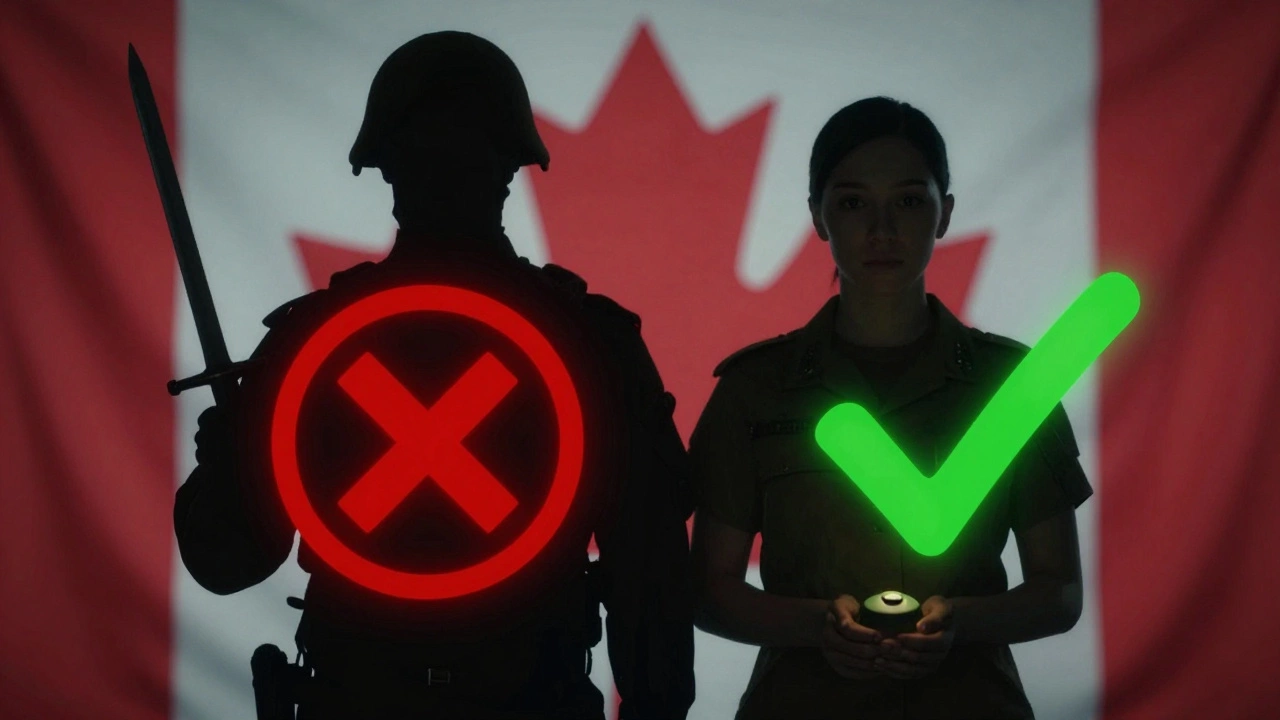
For non-automatic disqualifiers, the CAF may grant a waiver. This means they'll allow you to serve despite your record. But getting a waiver is tough. It requires:
- Full disclosure of all criminal history
- Documentation of rehabilitation (e.g., therapy records, community service)
- A letter of recommendation from a community leader or employer
- Passing a psychological evaluation
For example, a former soldier who served time for a non-violent offense and later became a mentor for at-risk youth might get a waiver. The process takes months, and approval isn't guaranteed. The Canadian Forces Provost Marshal reviews each case, weighing risks against benefits.
Steps to Improve Your Military Eligibility
If you have a criminal record and want to join the CAF, here's what to do:
- Get a record suspension: Apply through the Parole Board of Canada. A record suspension removes your criminal record from public view, which helps during applications. You must complete all sentences and wait specific periods (e.g., 5 years for summary convictions, 10 for indictable offenses).
- Complete rehabilitation programs: Attend anger management, substance abuse treatment, or relevant courses. Keep certificates as proof.
- Build a strong support network: Get letters of recommendation from employers, community leaders, or mentors who vouch for your character.
- Stay crime-free: Maintain a clean record for at least five years before applying. The longer the gap, the better.
- Consult a military recruiter: They explain which offenses might be waivable and guide you through the process.
For instance, someone with a DUI conviction eight years ago who completed a driving school program and has a clean record since has a better chance than someone with recent charges.
Myths About Felons Joining the Military
Let's clear up common misconceptions:
- Myth: All felonies automatically disqualify you. Truth: The CAF looks at specifics. A minor offense from years ago might not matter.
- Myth: You can hide your record. Truth: The CAF does thorough background checks. Hiding a conviction gets you disqualified immediately.
- Myth: Waivers are easy to get. Truth: Waivers are rare and require strong evidence of rehabilitation.
- Myth: Only the military cares about your record. Truth: Many government jobs have similar checks. A clean record helps everywhere.
For example, a person who got a record suspension for past drug possession can still apply. But if they lie about it during the application, they'll be caught and rejected.
Other Government Jobs If the Military Isn't an Option
Not all government jobs have the same background checks as the military. For example:
- Civilian roles in defense: Jobs like logistics, IT, or administration within the Department of National Defence may have less strict requirements.
- Public service roles: Positions in parks, transportation, or social services often have different standards.
- Provincial or municipal jobs: Some local government roles may be more flexible.
For instance, a person with a non-violent felony might qualify for a job with Parks Canada, even if they can't join the military. Each agency has its own rules, so explore alternatives.
Can I join the military if I have a DUI?
A single DUI conviction from several years ago may not disqualify you, especially if it's your only offense. But recent DUIs or multiple offenses will likely prevent enlistment. The CAF considers the time since the offense and your behavior since then.
What if my criminal record has been expunged?
In Canada, there's no such thing as expungement for most offenses. Instead, you apply for a record suspension. Even with a suspension, the CAF may still access your record during security clearance checks.
Do military branches have different rules?
Yes. The Canadian Army, Navy, and Air Force each have their own standards. For example, the Navy may be stricter about drug-related offenses than the Army. Always check with your specific branch.
Can I apply if I have pending charges?
No. You must have no pending charges and have completed all sentences before applying. The CAF requires a clean slate at the time of application.
How long does the waiver process take?
The waiver process typically takes 3-6 months. It involves multiple reviews, including psychological evaluations and background checks. Patience is key.