Best E-Learning Platforms for Upskilling in 2026: A Complete Comparison
 Apr, 14 2026
E-Learning Platform Finder
Answer these 3 quick questions to find your ideal learning path.
Your Recommended Platform:
...
Quick Summary: Which one should you pick?
- Coursera: Best for university-backed certificates and academic rigor.
- Udemy: Best for specific, practical tools and low-cost entry.
- LinkedIn Learning: Best for corporate soft skills and networking integration.
- Skillshare: Best for creative pursuits like design and photography.
- edX: Best for high-level executive education and master's degrees.
Understanding the Different Types of Learning Hubs
Before you drop money on a subscription, you need to know what you're actually buying. Not all platforms are built the same. Some are essentially digital libraries where anyone can upload a course, while others are gated communities with strict accreditation standards.
Coursera is an online learning platform that partners with top universities and companies to offer accredited courses, certificates, and degrees. Because they work with institutions like Stanford and Yale, the content is usually structured like a real classroom. You get assignments, peer-reviewed grading, and a credential that actually carries weight on a resume.
Udemy, on the other hand, is a marketplace for instructors to create and sell their own courses on virtually any topic. It's a different beast entirely. You aren't getting a degree; you're getting a practical guide. If you need to learn how to use a specific version of Excel or a niche software for video editing, this is where you go. The quality varies because anyone can be a teacher, but the rating system helps you weed out the junk.
Then you have the "creatives' playground." Skillshare is a membership-based platform focused on creativity, entrepreneurship, and innovation. It doesn't care about certificates. It cares about projects. You learn by making something-a logo, a painting, or a podcast-and sharing it with a community of other makers.
Comparing the Big Players: Which One Wins?
Choosing a platform depends on your end goal. Are you trying to get a promotion, switch careers, or just stop being bored on weekends? The trade-off usually comes down to Credibility vs. Accessibility.
| Platform | Primary Focus | Certification Value | Price Model | Best For |
|---|---|---|---|---|
| Coursera | Academic/Professional | High (Accredited) | Subscription/Per Course | Career Switchers |
| Udemy | Practical/Technical | Low (Completion only) | One-time Purchase | Quick Skill Gaps |
| LinkedIn Learning | Corporate/Business | Medium (Industry) | Subscription | Working Professionals |
| edX | Higher Education | Very High (University) | Freemium / Paid | Academic Advancement |
| Skillshare | Creative Arts | Low (Portfolio based) | Subscription | Freelancers/Artists |
The Academic Route: Coursera and edX
If your goal is a formal credential, you want a platform that uses a MOOC (Massive Open Online Course) model. MOOCs are designed to bring university-level education to a global audience via the internet. Both Coursera and edX lead this space.
The strength here is the Specialization. Instead of one random course, you take a series of courses that build on each other. For example, if you want to enter Data Science, you don't just take a "Python 101" class. You take a sequence: Python for Data Science, Data Analysis with Pandas, and finally, Machine Learning. This creates a logical progression that mimics a university degree.
However, be warned: these platforms can be grueling. You'll face deadlines and strict grading. If you're looking for a casual hobby, this might feel like too much pressure. But if you need a Professional Certificate to convince a hiring manager you can do the job, the sweat is worth it.
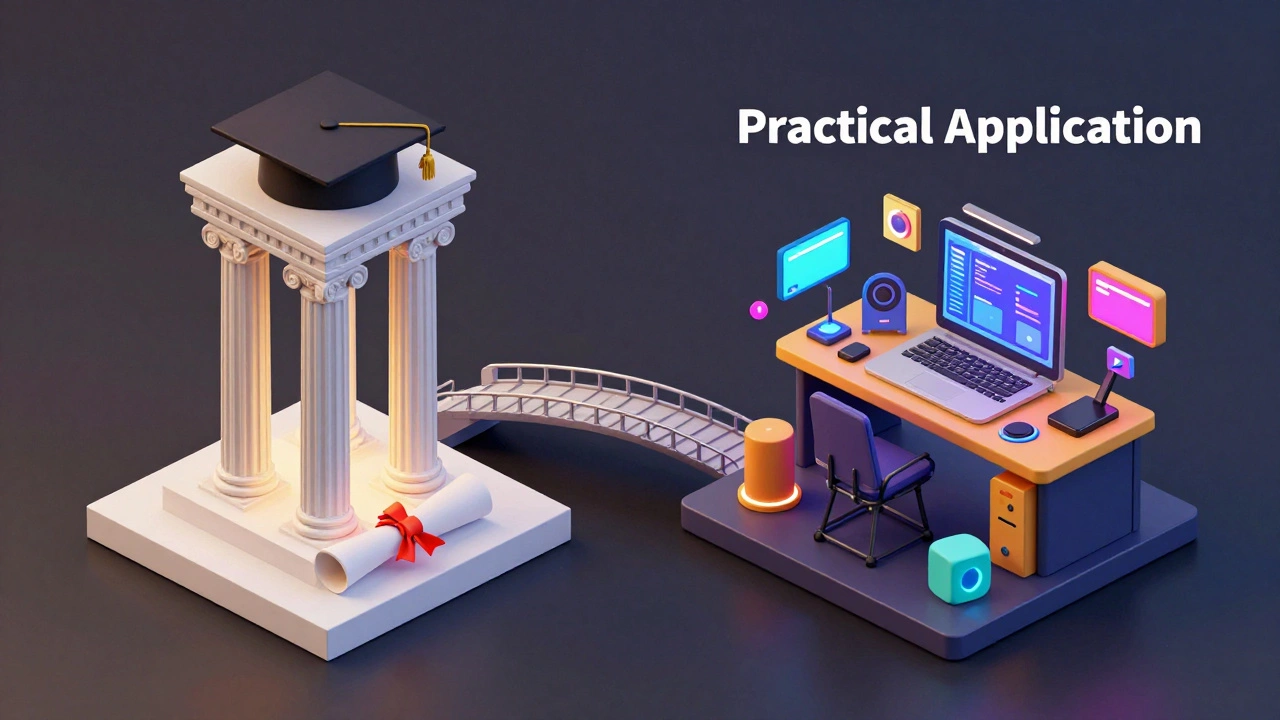
The Practical Route: Udemy and Niche Bootcamps
Sometimes, you don't need a degree; you just need to know how to fix a specific problem. Maybe your boss told you to use Tableau for the next quarterly report, and you've never seen the software in your life. You don't have six months for a specialization. You have a weekend.
This is where Udemy shines. Because it's a marketplace, instructors compete on price and quality. You can often find a comprehensive 20-hour course for under $15 during a sale. The key here is to look for "Bestseller" tags and read the most recent reviews. Since software updates happen fast, a course from 2022 might be completely obsolete in 2026.
For those looking for high-intensity training, Coding Bootcamps are the next step. These aren't usually single platforms but immersive programs. They focus on Project-Based Learning, which is a method where students learn by creating a tangible product. This is the fastest way to build a portfolio, which is often more valuable than a certificate in the tech world.
Corporate Upskilling: LinkedIn Learning
LinkedIn Learning (formerly Lynda.com) is unique because it's attached to your professional profile. It's not about deep academic mastery; it's about Professional Development.
Think of it as a tool for the "soft skills" you didn't learn in college: how to manage a remote team, how to handle a difficult conversation with a client, or how to optimize your time management. The biggest advantage is the integration. Once you finish a course, the certificate appears directly on your profile, alerting your network (and potential recruiters) that you're actively improving. It's less about the learning and more about the Personal Branding.
Avoiding the "Tutorial Hell" Trap
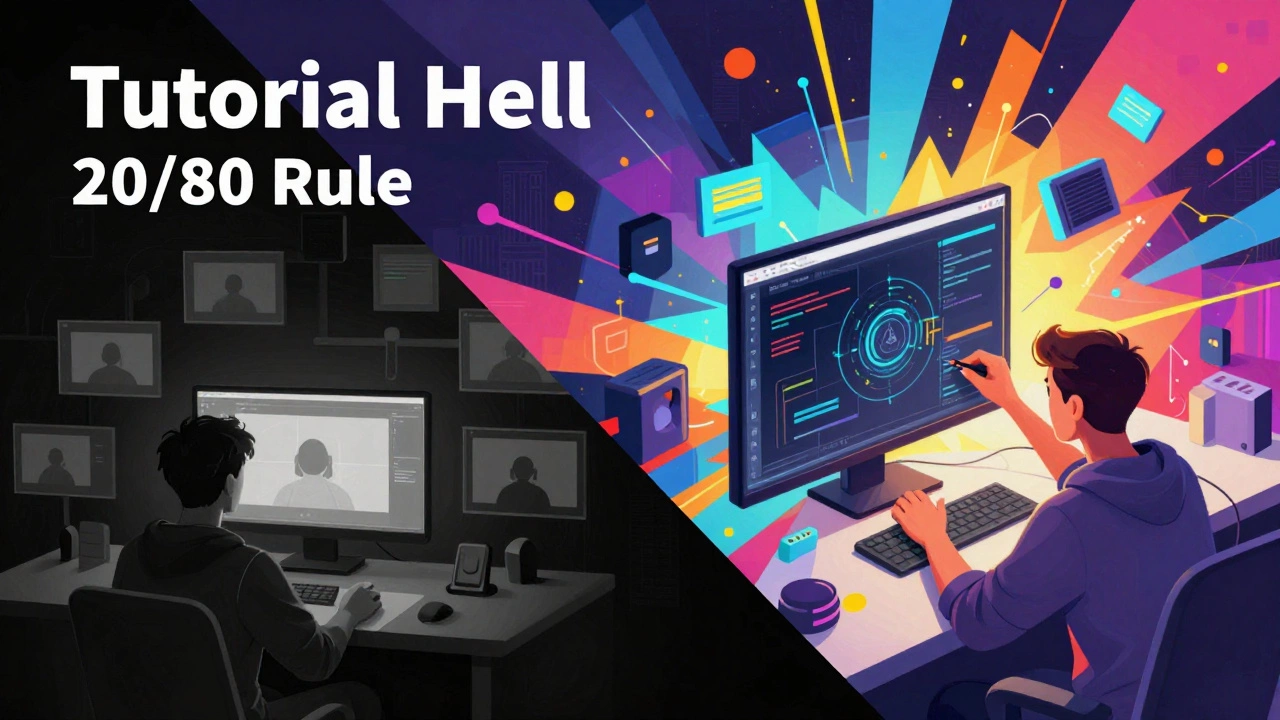
The biggest mistake people make when using best e-learning platforms is falling into "Tutorial Hell." This is when you follow a video step-by-step, feel like you understand it, but then realize you can't do anything once the video stops. You're basically just mimicking a set of instructions without understanding the why.
To avoid this, use the 20/80 Rule: Spend 20% of your time watching the lecture and 80% of your time actually building something. If the course teaches you how to build a budget app, don't just copy the code. Try to add a feature the instructor didn't mention-like a currency converter or a monthly alert system. This forces your brain to solve problems, which is where the real learning happens.
Another tip is to use Spaced Repetition. Don't binge-watch a 10-hour course in one sitting. Your brain can't absorb that much new information. Instead, watch one module, apply it to a project, and then come back to it three days later to see if you still remember the core concepts. This moves the knowledge from your short-term memory to your long-term memory.
Making Your Final Decision
If you are still undecided, ask yourself what the "win" looks like. If the win is a diploma or a new job title in a corporate setting, go with Coursera or edX. If the win is solving a specific problem or learning a tool for a side project, grab a highly-rated Udemy course. If the win is creative expression or a new hobby, Skillshare is your best bet. And if you just want to stay relevant in your current office job, LinkedIn Learning is the path of least resistance.
Are online certificates actually recognized by employers?
It depends on the source. Certificates from accredited universities via Coursera or edX carry significant weight. However, a certificate from a random Udemy course is usually seen as a "completion badge" rather than a qualification. Employers care more about the skills you can demonstrate in a portfolio than a piece of digital paper from a marketplace.
Can I learn a high-paying skill for free?
Yes. Many platforms offer an "audit" mode where you can access all the videos and readings for free, but you don't get the certificate. Additionally, sites like Khan Academy or FreeCodeCamp provide world-class education entirely for free. The only thing you pay for is the formal accreditation.
Which platform is better for beginners?
Udemy is generally more beginner-friendly because courses are often broken down into very small, digestible pieces and are usually more affordable. Coursera can be intimidating for total beginners because the pace is faster and the academic expectations are higher.
How long does it take to actually master a skill online?
Watching a 20-hour course doesn't mean you've mastered a skill. Real mastery comes from application. Depending on the complexity, expect to spend 3-6 months of consistent practice (not just watching) before you're "job-ready" in a specific technical skill.
Is a subscription better than paying per course?
Subscriptions (like LinkedIn Learning or Skillshare) are better if you are a "serial learner" who explores many different topics. If you have one specific goal-like learning Python-paying for a single, comprehensive Udemy course is usually cheaper and prevents the "subscription fatigue" of paying for a service you forget to use.
Next Steps for Your Learning Journey
Don't get stuck in the research phase. The most common mistake is spending two weeks comparing platforms and zero hours actually learning. Pick one platform based on the criteria above, commit to one course, and finish it.
If you're a career changer, start by auditing a free course on Coursera to see if you actually enjoy the subject before paying for a certificate. If you're a freelancer, start a Skillshare trial and build three small projects in your first month. The goal isn't to find the "perfect" platform, but to start the habit of learning. The best platform is the one that actually gets you to open the laptop and start practicing today.