Are free online courses really free? What you’re actually paying for
 Jan, 20 2026
You’ve seen the ads: "Learn Python for free!" "Get a Harvard certificate at no cost!" "Master digital marketing without spending a dime." It sounds too good to be true-and often, it is. Free online courses aren’t free in the way you think. They’re free to start, but the real cost hides in the fine print, the upsells, and the trade-offs you never see coming.
What "free" actually means
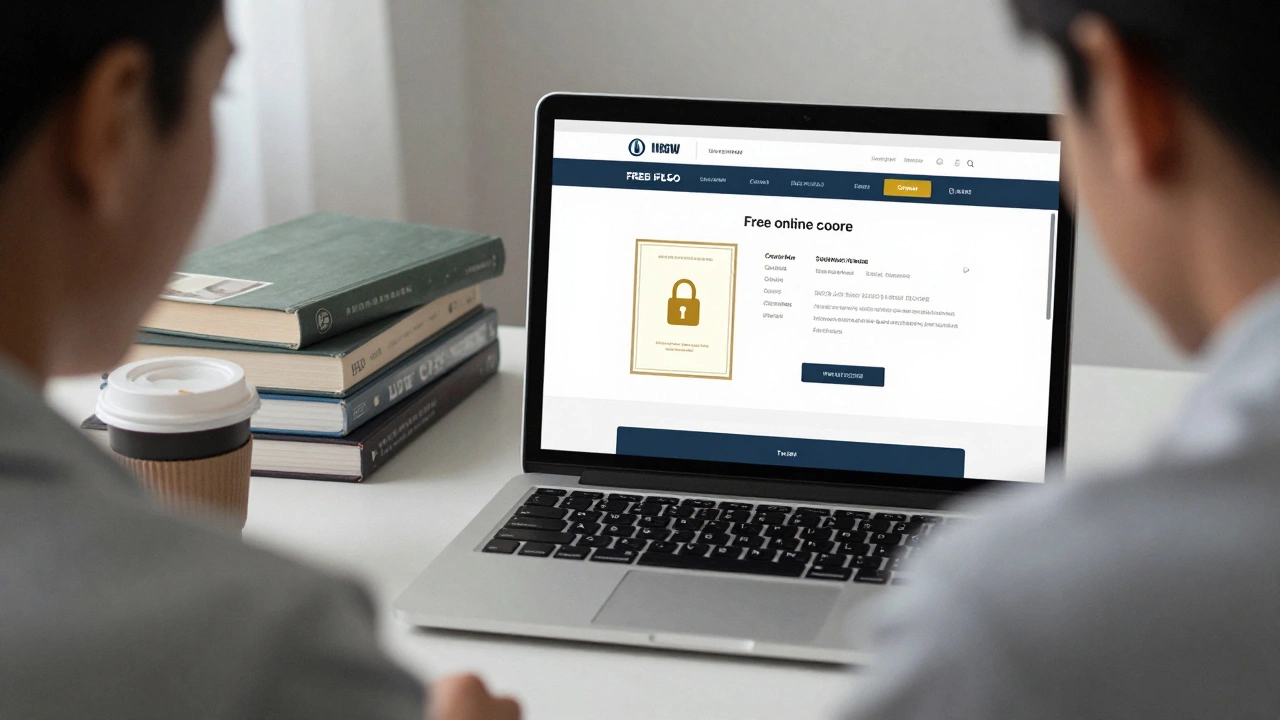
Most platforms like Coursera, edX, and FutureLearn let you enroll in courses without paying upfront. You can watch all the lectures, read the materials, and even take quizzes. But if you want anything that proves you finished-like a certificate, graded assignments, or access to peer feedback-you’ll need to pay. That’s not a glitch. It’s the business model.Take Coursera. Out of the 6,000+ courses listed, fewer than 10% offer full access without payment. The rest lock behind a paywall. You can audit a course for free, but you won’t get graded work, a certificate, or access to the discussion forums where real learning happens. That’s not a bug-it’s how they make money.
edX is similar. You can audit MIT and Harvard courses for free, but if you want the verified certificate that employers actually recognize, you’ll pay between $50 and $300. And that’s if you’re lucky. Some programs require you to buy a subscription just to access the labs or projects.
The hidden costs you can’t ignore
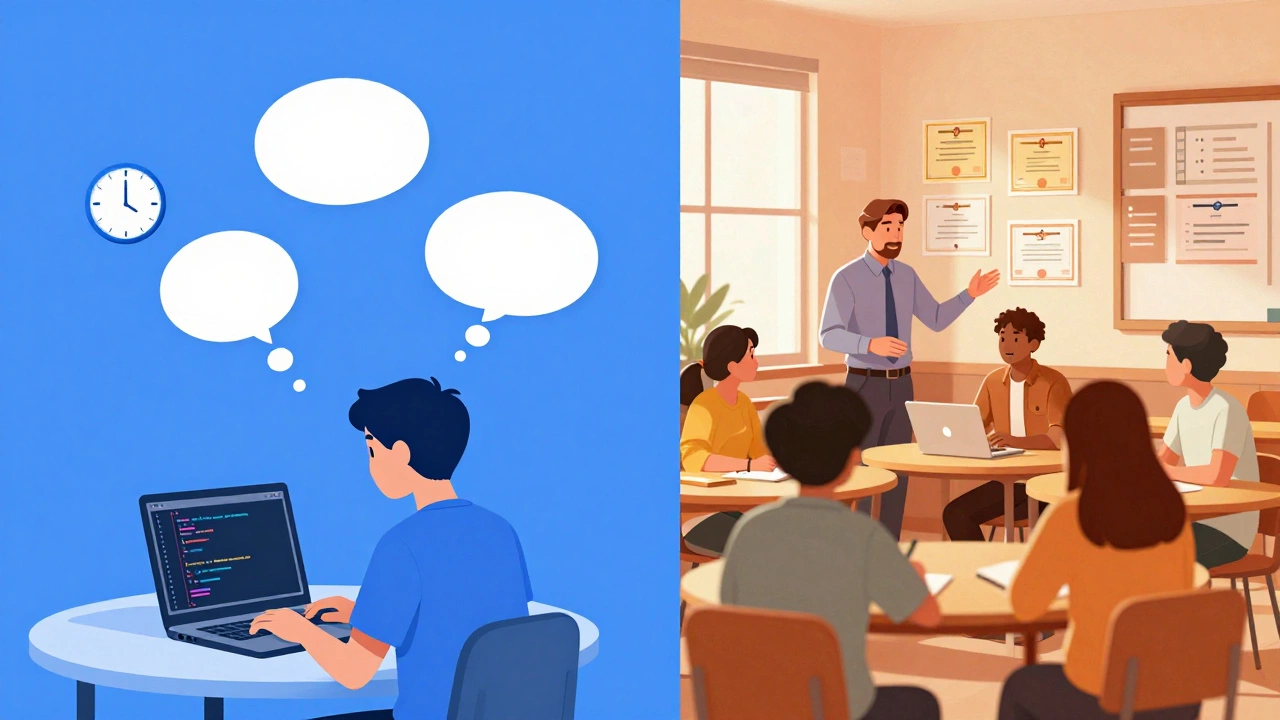
Free courses often come with hidden costs that aren’t in dollars-but they’re just as real.Time is the biggest one. Without deadlines, feedback, or accountability, most people never finish. Studies show that fewer than 5% of people who start a free MOOC complete it. That’s not because the material is too hard. It’s because there’s no structure. You’re on your own. No instructor checks in. No classmates hold you accountable. If you’re serious about learning, you’ll need to build your own system-and that takes hours you didn’t plan for.
Quality varies wildly. A course labeled "free" could be a well-designed lecture series from a top university-or a poorly recorded video from someone with no teaching experience. There’s no quality control. You can’t tell just by looking at the title. You have to dig into reviews, instructor credentials, and syllabus depth. That takes research time you didn’t budget for.
Opportunity cost is real too. If you spend 20 hours on a free course that doesn’t lead to a job or skill you can use, you’ve lost 20 hours you could’ve spent on something that pays off-like networking, building a portfolio, or learning from a paid mentor.
When free courses actually work
There are exceptions. Free courses can be powerful-if you know how to use them.If you’re exploring a new field-say, data science or graphic design-free courses are perfect for testing the waters. They help you figure out if you even like the subject before you invest money or time into a full program.
Some platforms offer truly free certificates. Khan Academy, for example, gives free certificates for completing entire learning paths in math, computer science, and economics. They’re not fancy, but they’re legitimate. Codecademy lets you complete coding projects for free, and you can add them to your GitHub profile. That’s real value.
Libraries and nonprofits also offer free, accredited courses. The University of the People is a tuition-free online university that offers accredited degrees in business and computer science. It’s not easy-you still have to pay exam fees and application costs-but it’s far cheaper than traditional college.
What you’re really buying
When you pay for an online course, you’re not buying lectures. You’re buying:- Accountability-deadlines, assignments, and feedback loops
- Validation-a certificate employers recognize
- Community-access to peers, mentors, and job boards
- Support-teaching assistants, grading, and tech help
Free courses give you the raw material. Paid courses give you the structure to turn that material into results.
How to get real value from free courses
If you’re on a tight budget, here’s how to make free courses work:- Start with audit mode-watch everything for free. If you like it, decide if you need the certificate.
- Build a portfolio-don’t wait for a certificate. Do the projects. Upload them to GitHub, Behance, or your own website.
- Join the community-even in free courses, participate in forums. Ask questions. Help others. That’s where real learning happens.
- Look for financial aid-Coursera, edX, and FutureLearn offer free financial aid if you apply. You don’t need to be poor-just explain why you need it.
- Track your progress-use a spreadsheet. Note what you learned, what you built, and how it helped you. That’s your real credential.
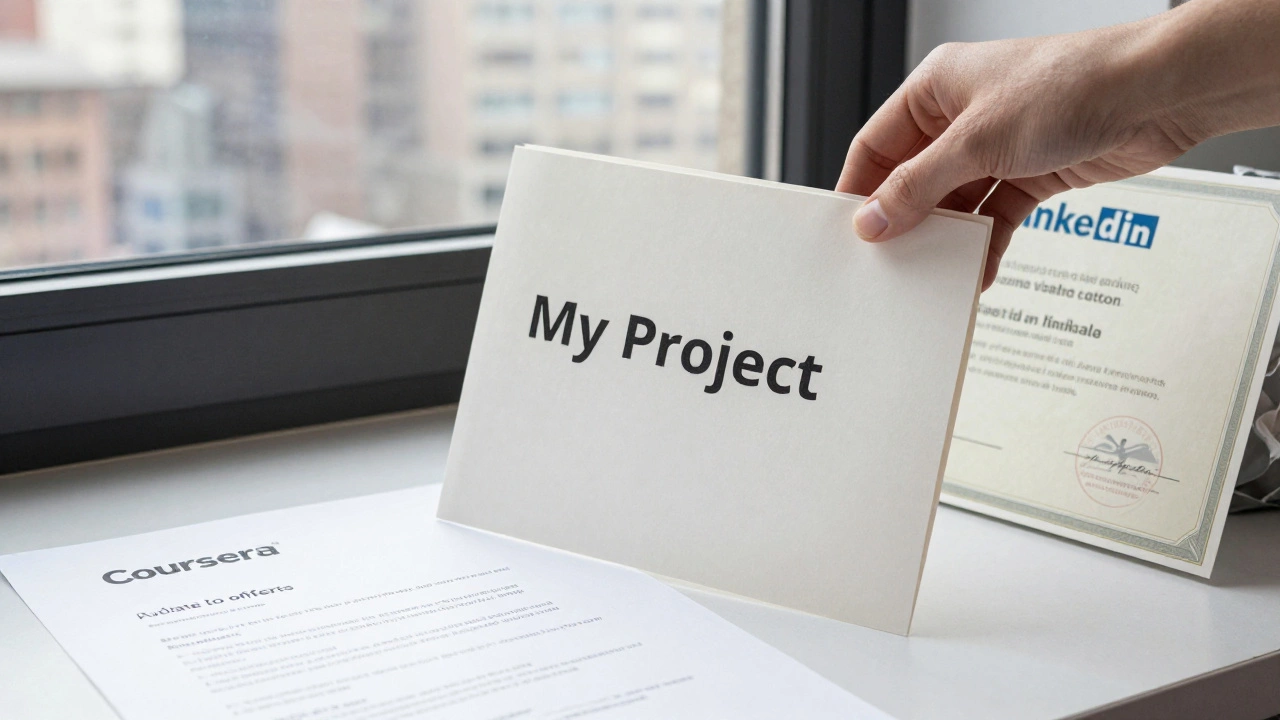
One person I know in Toronto took five free Google IT Support courses. She didn’t pay for the certificate. Instead, she built a simple helpdesk tool for her local community center. She put it on LinkedIn. Within two weeks, she got a job interview-and got hired. Her certificate? Worthless. Her project? Priceless.
Free isn’t the goal. Results are.
Free online courses are a tool, not a solution. They’re great for exploration, but terrible as a standalone path to a career. If your goal is a job, promotion, or new skill you can use, you need more than free lectures. You need structure, feedback, and proof.Some people succeed with free courses. But they’re the exception-not the rule. They’re the ones who treat free courses like a library: they take what they need, build something real, and move on. They don’t wait for a certificate to feel like they’ve learned something.
If you’re serious about learning, don’t ask if a course is free. Ask: "Will this help me get where I want to go?" If the answer is yes, find a way to pay for it. If the answer is no, save your time-and your money.
Are free online courses worth it?
They’re worth it only if you use them right. Free courses are great for exploring new topics, testing your interest, or learning basic concepts. But if you want to build a career, change jobs, or prove your skills to employers, you’ll need more than free access. You’ll need projects, feedback, and a certificate that means something.
Can I get a job with just a free course certificate?
Rarely. Most employers don’t recognize free certificates from MOOCs unless they’re from a recognized institution and tied to a project or portfolio. A certificate alone won’t get you hired. But if you combine it with real work-like a GitHub repo, a design portfolio, or a blog-you’ll stand out. Employers care more about what you can do than what you paid for.
Why do companies like Coursera offer free courses?
They use free courses as a funnel. You start for free, get hooked on the content, and then pay for upgrades-certificates, graded assignments, or specializations. It’s a classic freemium model. The free version gets you in the door. The paid version keeps you there and makes them money.
Do free courses have the same content as paid ones?
Usually, yes-the lectures and readings are the same. But the paid version adds graded assignments, peer reviews, access to instructors, and a certificate. The core learning is free. The validation and support are what you pay for.
Is financial aid for Coursera and edX worth applying for?
Absolutely. Both platforms approve most applications if you explain your situation honestly. You don’t need to be poor-you just need to show you can’t afford the fee right now. Approval rates are high, and the access you get is identical to paying customers. It’s the best way to get full value without paying.
What’s the best free online course for beginners?
It depends on your goal. For coding: freeCodeCamp or Khan Academy’s JavaScript course. For business: Google’s Fundamentals of Digital Marketing. For personal development: Yale’s The Science of Well-Being on Coursera (audit mode). All are high-quality, project-based, and free to start. Pick one that aligns with your next step-not just what’s trending.