What is the Hardest Doctor Specialty to Become? A Guide for NEET Aspirants
 Sep, 15 2026
Medical Specialty Difficulty Estimator
Select a specialty below to see its difficulty profile compared to others. This tool helps you visualize the 'hardness' metrics discussed in the article.
Neurosurgery
The King of Difficulty
Plastic Surgery
Perfectionism Under Pressure
Orthopedic Surgery
Physical & High Stakes
Interventional Cardiology
The Radiation Zone
Dermatology
High Competition, Good Lifestyle
Internal Medicine
Intellectual Complexity
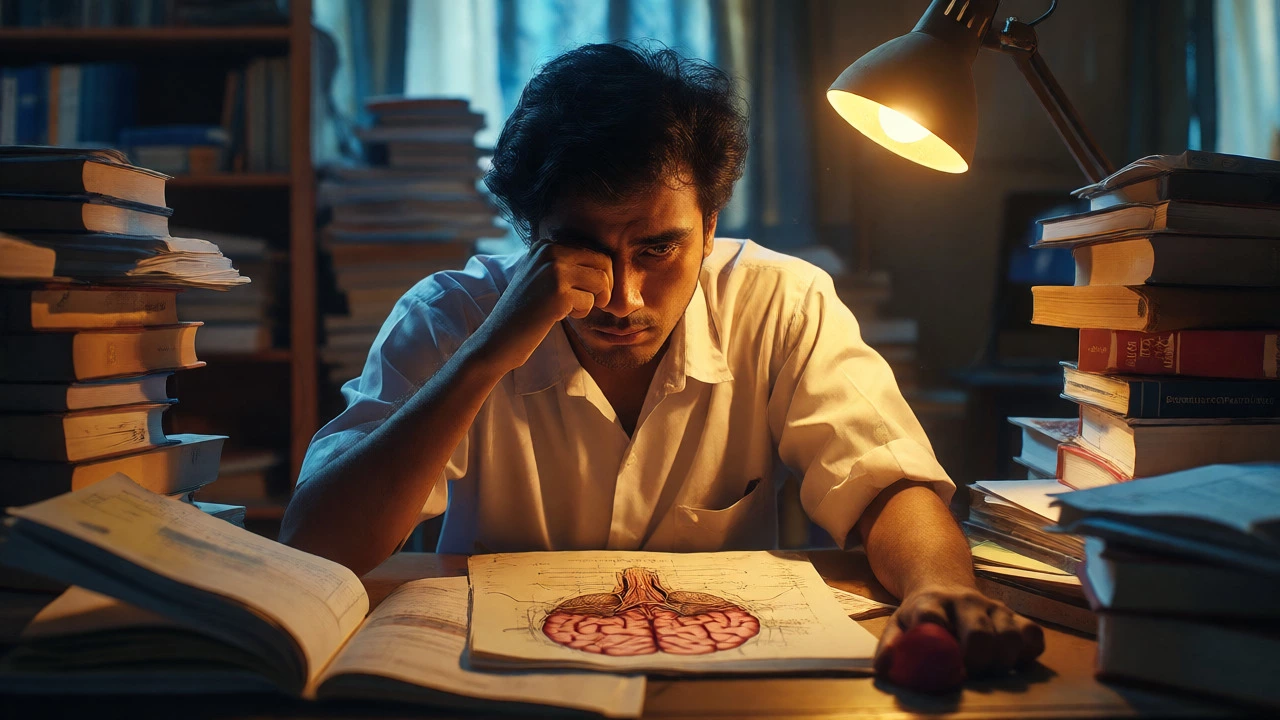
You’ve cracked NEET. You’re in medical school. But have you ever wondered which path will actually break you before it makes you a doctor? It’s not just about passing exams anymore. The real battle starts when you choose your specialty.
Ask any senior resident at a major teaching hospital, and they’ll tell you: becoming a doctor is hard. Becoming certain doctors is brutal. We’re talking about sleep deprivation that borders on hallucination, years of unpaid or underpaid labor, and acceptance rates so low they make Harvard look generous. If you’re currently grinding through your MBBS or prepping for your post-grad entrance, knowing which specialties are the toughest can save you from a mid-career crisis.
The Metrics That Define "Hard"
Before we name names, let’s define what we mean by "hard." It’s not just one thing. In the US (which often sets the trend for global medical prestige), the Association of American Medical Colleges (AAMC) tracks match rates. In India, where NEET determines your seat, the pressure cooker works slightly differently but yields similar results. We look at three main factors:
- Match Rate/Competition: How many applicants get turned away? For some fields, it’s less than 50%.
- Training Duration: How long until you’re independent? Four years? Seven? Twelve?
- Lifestyle Impact: Can you have a family? Can you sleep more than four hours at a stretch?
If you’re thinking about a career in medicine, you need to weigh these against your personal resilience. Some people thrive on chaos; others crumble without routine. There is no right answer, only the right fit.
Neurosurgery: The King of Difficulty
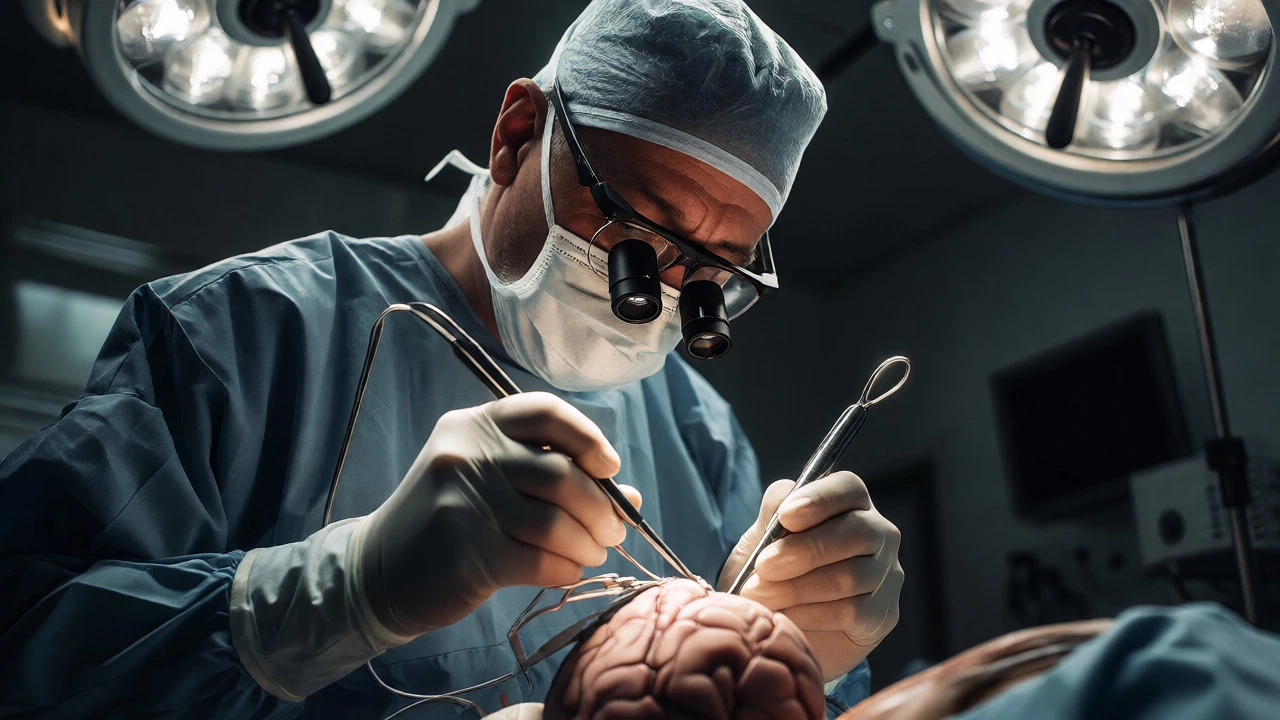
Let’s start with the heavy hitter. Neurosurgery is widely considered the most difficult specialty to enter and complete. Why? Because the margin for error is zero. One millimeter off, and you might paralyze a patient instead of curing them.
In the US, neurosurgery residency programs typically last seven years. Yes, seven. After four years of undergrad and four years of med school, you’re still not an attending physician. In India, the MD/MS in Neurosurgery follows a similar grueling timeline, often extending further if you pursue fellowships in spine or pediatric neurosurgery.
The lifestyle hit is massive. Neurosurgeons are known for working 80+ hour weeks during residency. On-call shifts can last 24 to 36 hours straight. You’re dealing with brain tumors, traumatic brain injuries, and complex spinal issues. The cognitive load is immense. You need steady hands, incredible spatial awareness, and the emotional fortitude to handle high-stakes outcomes daily.
| Specialty | Avg. Training Length (Post-MD) | Competitiveness Index | Lifestyle Rating (1-10) |
|---|---|---|---|
| Neurosurgery | 7 Years | Extremely High | 2/10 |
| Plastic Surgery | 6 Years | Extremely High | 4/10 |
| Orthopedic Surgery | 5 Years | Very High | 3/10 |
| Interventional Cardiology | 3 Years (Fellowship) | High | 5/10 |
| Dermatology | 3 Years | High | 9/10 |
Plastic Surgery: Perfectionism Under Pressure
Next up is Plastic Surgery, a field that combines artistic vision with surgical precision. Unlike other specialties where you fix a problem, here you often rebuild identity. Whether it’s reconstructive work after a car accident or cosmetic enhancements, the expectations are sky-high.
Getting into a plastic surgery residency is notoriously competitive. In the US, it consistently ranks as one of the hardest spots to fill because the applicant pool is small but elite. In India, while the seat count has increased, top-tier institutions like AIIMS Delhi or PGI Chandigarh remain incredibly tough to crack via NEET PG.
The training involves mastering microsurgery-connecting blood vessels smaller than a grain of rice. This requires patience that borders on obsession. Plus, the medicolegal environment is intense. Patients expect perfect results, and dissatisfaction can lead to lawsuits even when the surgery was technically successful. If you’re a perfectionist who hates ambiguity, this might be your nightmare or your dream.
Interventional Cardiology: The Radiation Zone
If you love adrenaline and don’t mind standing in radiation for hours, interventional cardiology is a contender for the title. It’s a subspecialty of internal medicine/cardiology, meaning you first do your general cardiology fellowship, then add another 1-2 years of specialized catheter-based procedures.
The learning curve is steep. You’re threading catheters through arteries to open blocked hearts. One slip, and you could cause a dissection or stroke. The physical toll is real: wearing lead aprons that weigh 10-15 kg for hours leads to back and knee problems early in your career. And yes, you’re exposed to X-rays daily, requiring strict safety protocols.
For NEET aspirants, note that this path requires clearing both NEET UG and NEET PG, followed by competitive DM (Doctorate of Medicine) seats in Cardiology. The number of DM seats is limited, making it a bottleneck for even brilliant physicians.
Why Do These Specialties Hurt So Much?
It’s not just the length of training. It’s the culture. Surgical specialties traditionally have hierarchical structures where residents earn their stripes through endurance. You’re expected to be available 24/7. Your social life takes a backseat. Relationships suffer. Many residents report feelings of isolation during their peak young adult years.
However, there’s a flip side. These doctors are highly respected, well-compensated, and have clear paths to expertise. The difficulty acts as a filter. Those who survive tend to be highly motivated and resilient. If you’re driven by challenge and tangible results (you see the tumor removed, the bone set, the vessel opened), the pain might be worth it.

How to Prepare Early: A Strategy for NEET Students
If you’re reading this while studying for NEET, you might think, "I’m just trying to pass!" That’s fair. But early awareness helps. Here’s how to align your current studies with future goals:
- Master Anatomy: Neurosurgery and Orthopedics live and die by anatomy. Don’t just memorize for MCQs; visualize the structures. Use 3D apps. Understand relationships between nerves, vessels, and bones.
- Develop Manual Dexterity: Take up hobbies that require fine motor skills-model building, playing instruments, or drawing. These aren’t just fun; they train the neural pathways you’ll use in surgery.
- Build Resilience Now: Medical training tests your mental health. Learn stress management techniques now. Meditation, exercise, or journaling can become lifelines later.
- Shadow Doctors: If possible, spend time with surgeons and physicians. Ask them about their worst days. Do they regret their choice? Their answers will tell you more than any brochure.
The "Hidden" Hardships: Internal Medicine vs. Surgery
People often assume surgery is harder because it’s physical. But consider Internal Medicine, specifically subspecialties like Nephrology or Infectious Disease. The hardship here is intellectual complexity and emotional burnout.
Internists deal with chronic diseases, multi-system failures, and end-of-life care. The decisions are rarely black and white. You might manage a patient with diabetes, kidney failure, and depression simultaneously. The workload is constant, and the lack of "fixes" can be demoralizing. While you won’t be sleeping in the hospital as often as a surgeon, the cognitive fatigue is relentless.
So, is surgery harder? Physically, yes. Emotionally and intellectually? It depends on the person. Some find the clear-cut nature of surgery easier than the ambiguous world of internal medicine.
Final Thoughts: Choosing Your Battle
There is no single "hardest" doctor to become. It’s subjective. For someone with shaky hands, Plastic Surgery is impossible. For someone who hates uncertainty, Neurosurgery is terrifying. For someone who needs regular hours, Interventional Cardiology is a trap.
Your job isn’t to pick the hardest path. It’s to pick the path where your strengths outweigh the struggles. If you’re aiming for the top tier, prepare for a marathon, not a sprint. Start building your stamina now. Crack NEET, secure a good college, and keep your eyes open. The best doctors aren’t just smart; they’re adaptable.
Is Neurosurgery really the hardest specialty?
Generally, yes. Due to its 7-year residency, extremely high academic requirements, and the critical nature of brain/spine operations, Neurosurgery is widely regarded as the most demanding entry point in medicine globally.
Which specialty has the lowest acceptance rate?
In the US Match system, Integrated Plastic Surgery and Dermatology often have the lowest match rates for US seniors, sometimes below 60%. In India, MS General Surgery and MD Radiodiagnosis are among the most competitive via NEET PG.
Does gender affect which specialty is "hardest"?
Historically, surgical fields were male-dominated, creating cultural barriers for women. However, this is changing rapidly. Today, the difficulty is measured by training intensity and competition, not gender. Women are increasingly excelling in Neurosurgery and Orthopedics.
Can I switch specialties after starting residency?
It is very difficult and rare. Switching usually requires restarting the application process, which means losing years of training. Most students decide before entering residency, though some subspecialties allow minor pivots within broader categories (e.g., from Internal Medicine to Cardiology).
Are lifestyle specialties like Dermatology easy to get into?
No. While the lifestyle is better, the competition is fierce precisely because of that. Getting into Dermatology is often harder than getting into Emergency Medicine, despite the latter being physically tougher day-to-day.