Is It Hard to Get Fired from a Government Job? The Truth About Job Security
 Jun, 20 2026
Government Termination Timeline Simulator
Select Employee Scenario
Choose the type of employee or situation to see how the termination process changes.
Projected Outcome
-- MonthsDifficulty Level
Select scenario to begin
You’ve probably heard the old saying: "Once you get into the government, you’re set for life." It’s the kind of advice that gets thrown around during family dinners or career counseling sessions. But is it actually true? Can you really coast through decades of public service without ever worrying about losing your paycheck?
The short answer is no. You can absolutely be fired from a government job, which is employment within the executive, legislative, or judicial branches of a government entity. However, the process is significantly different-and much harder for employers-than in the private sector. While a CEO might let you go on a Tuesday morning because they didn't like your email tone, a federal agency needs mountains of documentation, legal review, and often years of procedural steps before they can terminate a permanent employee.
This distinction matters more than ever. As economic shifts reshape the workforce, many professionals are looking toward the stability of the public sector. Understanding the mechanics of this protection isn't just about fear; it's about knowing your rights and the responsibilities that come with the badge. Whether you're preparing for competitive exams or already serving, knowing how civil service tenure works is crucial.
If you are exploring other types of professional networks or directories for specific regional services, resources like this directory offer examples of how niche markets organize their data, though the context here remains strictly focused on public sector employment structures.
The Myth of Ironclad Job Security
Let’s clear up the biggest misconception first. Government employees do not have absolute job security. They have procedural security. This means the employer cannot fire them arbitrarily, but they can fire them if they follow the strict rules laid out by law.
In the private sector, most workers are "at-will" employees. This means an employer can terminate you for any reason, as long as it’s not illegal (like discrimination based on race, gender, or religion). In the government, specifically at the federal level in the United States, this concept is largely replaced by the merit system principles established by the Pendleton Act of 1883 and later reinforced by the Civil Service Reform Act of 1978.
These laws were designed to stop the "spoils system," where politicians would hire their friends and fire anyone who opposed them. Today, this translates to a requirement that all personnel actions-including firing-must be based on merit, performance, and adherence to strict due process. So, while you aren't immune to termination, you are immune to capriciousness.
Why Is It So Difficult to Fire a Government Employee?
The difficulty stems from three main factors: union contracts, statutory due process, and the burden of proof. Let’s break down why HR departments in agencies like the Department of Defense or the IRS spend months preparing a termination case.
- Union Representation: A significant portion of federal employees belong to unions like AFGE (American Federation of Government Employees). These unions have powerful legal teams that challenge every termination. If an agency makes a minor procedural error-like missing a deadline by one day-the union can file a grievance that delays the firing for years, often resulting in the employee being reinstated with back pay.
- Due Process Rights: Under the Due Process Clause of the Fifth Amendment, once a government employee has acquired a "property interest" in their job (usually after passing a probationary period), they cannot be deprived of that property without due process. This means they must receive written notice of the charges, time to respond, and the right to appeal.
- High Burden of Proof: To fire someone, the agency must prove that the action was in the "best interest of the service." This is a high bar. It requires documented evidence of poor performance over a sustained period, showing that the employee was given adequate training and time to improve.
This system protects employees from political retaliation and bad management, but critics argue it also allows incompetent workers to remain in positions where they harm efficiency. The balance between protection and accountability is the central tension in modern civil service reform.
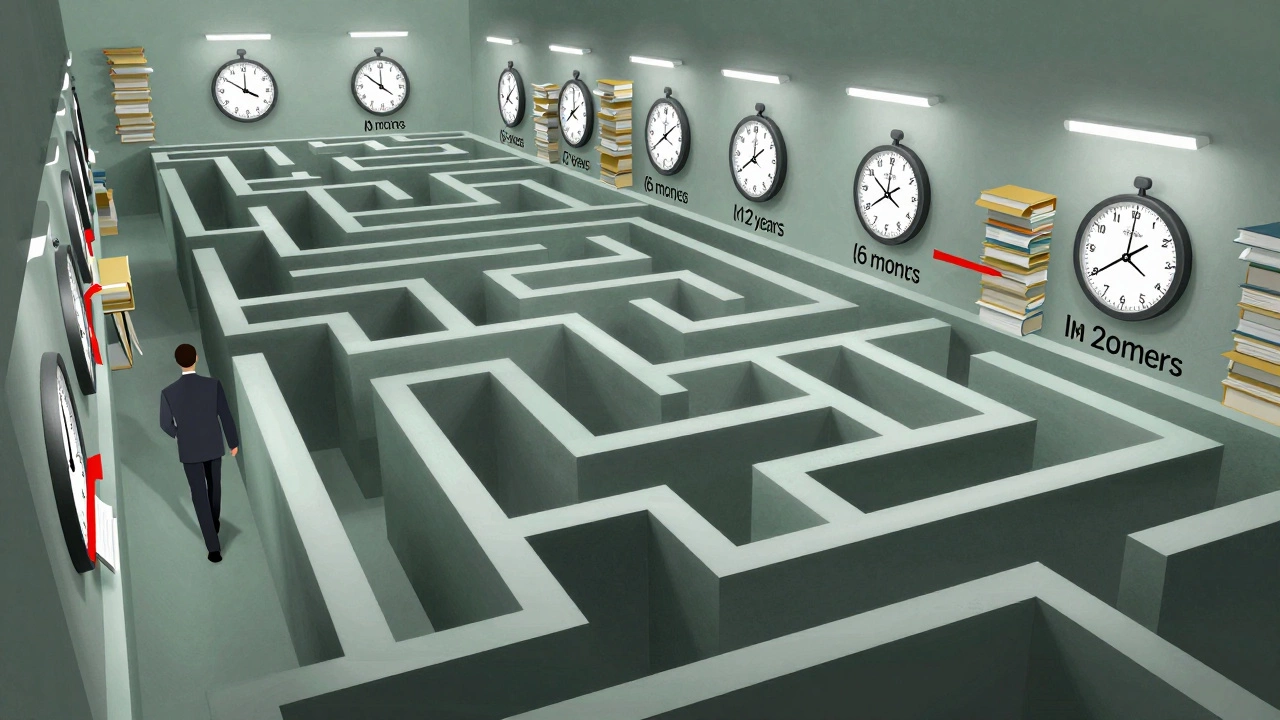
The Path to Termination: How It Actually Happens
If a government agency decides to fire you, it doesn’t happen overnight. It follows a rigid timeline. Here is what that process typically looks like for a permanent federal employee.
- Performance Improvement Plan (PIP): Before any termination, you will almost certainly be placed on a PIP. This is a formal document outlining exactly what you are failing to do, what standards you need to meet, and how long you have to fix it (usually 60 to 90 days). During this time, you are expected to receive regular feedback and additional training.
- Proposed Removal Action: If you fail the PIP, or if you commit a serious misconduct violation, your supervisor issues a "Proposed Removal Notice." This letter details the charges against you, the evidence supporting those charges, and the proposed penalty (removal).
- Response Period: You are given a specific number of days (often 14 to 30) to respond in writing. You can submit new evidence, explain mitigating circumstances, or argue that the evidence is flawed. You may also have the right to oral representation by a union steward or attorney.
- Decision Memorandum: A higher-level official reviews your response and the original evidence. They then issue a final decision. If they uphold the removal, you receive a "Notice of Removal."
- Appeals Process: Even after the notice, you are not necessarily gone. You can appeal to the Merit Systems Protection Board (MSPB). This independent quasi-judicial body hears cases regarding federal employment disputes. The MSPB can overturn the firing if they find the agency did not follow proper procedures or lacked sufficient evidence.
This entire process can take anywhere from six months to two years. For many agencies, the cost of litigation and the disruption to the workplace make firing a last resort, used only when absolutely necessary.
When Can You Be Fired Quickly?
While the standard process is slow, there are exceptions. Certain roles and certain behaviors bypass the usual lengthy protections.
| Scenario | Reason for Speed | Typical Timeline |
|---|---|---|
| Probationary Period | New hires (first 1-2 years) have fewer due process rights. Agencies can separate them for suitability or convenience without full removal proceedings. | Days to Weeks |
| Excepted Service Roles | Positions in intelligence (CIA, FBI), senior leadership (SES), and some regulatory bodies operate outside the competitive service rules. They function more like at-will employment. | Immediate to Months |
| Criminal Conviction | If an employee is convicted of a felony, the agency can remove them quickly to protect the integrity of the service. | Weeks |
| Misconduct vs. Performance | Firing for misconduct (theft, harassment, insubordination) is faster than firing for poor performance, as it doesn't require a PIP history. | Months |
For example, Senior Executive Service (SES) members, who are the top-tier leaders in the federal government, serve at the pleasure of the appointing authority. They can be removed relatively easily if they lose the confidence of their superiors, similar to cabinet-level officials. This ensures that leadership remains agile and accountable to current administration goals.
State and Local Government Differences
It’s important to note that "government job" doesn’t always mean "federal job." State, county, and municipal employees operate under different rules. In many states, local government workers are still considered at-will employees unless they are part of a strong union or have a specific tenure contract.
For instance, a teacher in a public school district has strong tenure protections similar to federal workers, requiring extensive hearings before dismissal. However, a city clerk in a small municipality might have far fewer protections, depending on state labor laws. Always check the specific statutes of your state’s civil service commission. Some states, like California and New York, have robust civil service systems, while others lean closer to private-sector norms.
The Cost of Job Security
So, is it hard to get fired? Yes, procedurally, it is very hard. But this comes with trade-offs. Because termination is so difficult, hiring becomes extremely cautious. Agencies often prefer candidates with perfect records and proven track records, making entry-level competition fierce.
Additionally, the lack of immediate consequences for poor performance can lead to stagnation. Without the threat of quick termination, some employees may feel less pressure to innovate or adapt to changing technologies. This is why many government agencies are pushing for performance-based pay and stricter accountability measures, even if removing an employee remains a legal marathon.
For those preparing for government jobs, understanding this landscape is key. You aren't just applying for a salary; you're entering a system built on stability, procedure, and merit. Once you pass the probationary period, you gain a level of security that is rare in the modern economy. But remember, security doesn't mean immunity. It means that your employment status will always be decided by facts, law, and process-not by whim.
Can a federal employee be fired for poor performance?
Yes, but it requires a rigorous process. The agency must place the employee on a Performance Improvement Plan (PIP), provide training, and document failures over time. If the employee does not improve, the agency can initiate removal proceedings, which include appeals to the Merit Systems Protection Board (MSPB).
How long does it take to fire a government employee?
The process can take anywhere from six months to several years. This includes the initial investigation, the performance improvement period, the formal proposal and response phase, and potential appeals through administrative boards. Union involvement often extends this timeline significantly.
Are government employees unionized?
Many are, particularly at the federal level. Unions like AFGE represent millions of federal workers. Union membership provides legal representation during disciplinary actions and strengthens collective bargaining agreements that protect job security. However, not all government employees are union members.
What is the difference between competitive and excepted service?
Competitive service jobs are filled through open merit-based examinations and offer strong due process protections. Excepted service jobs, such as those in intelligence agencies or senior leadership roles, are exempt from these standard rules and may have fewer protections against termination, operating more similarly to private-sector at-will employment.
Can I be fired during my probationary period?
Yes, it is much easier to separate employees during their probationary period (typically the first one to two years of employment). Agencies can dismiss probationary employees for suitability, convenience, or poor performance without going through the full removal and appeal process required for permanent staff.