Felon-Friendly States for Government Jobs: A 2026 Guide to Second Chances
 Jun, 2 2026
Government Job Opportunity Finder
Select your state of residence and answer a few questions about your record to see which government job sectors are most open to you.
California
Fair Chance Act Leader
New York
Correction Law 23-A
Hawaii
Strict Privacy Limits
Illinois
JOQA Protections
Maryland
Auto-Seal Statutes
Other State
General Guidelines
Tell us about your situation
Your Opportunity Report
Job Sector Suitability
Based on your record, these sectors are ranked by likelihood of acceptance.
Critical Next Steps:
Getting a job after a felony conviction feels like trying to run a marathon with one shoe tied. You know you have the skills, but the application process keeps hitting a wall called "background check." If you are looking at government jobs, that wall is usually higher than in the private sector. Agencies deal with public trust, security clearances, and strict regulations. However, the landscape is shifting. Across the United States, there is a growing movement toward "second chance" employment, recognizing that a past mistake shouldn't permanently block someone from contributing to society.
You might be asking yourself which states are actually open to hiring people with records. The short answer? It depends on the agency, the crime, and how much time has passed. But some states have built-in legal protections that make it significantly easier to get your foot in the door. This guide breaks down where those opportunities exist and how to navigate the system without getting rejected before you even interview.
Understanding the Legal Landscape: Ban the Box and Beyond
Before we look at specific states, you need to understand the rules of the game. The biggest hurdle isn't just bias; it's policy. For decades, most job applications asked about criminal history right at the start. This meant resumes were tossed into the trash before a human ever read them. That changed with the rise of "Ban the Box" laws.
Ban the Box is a policy that prohibits employers from asking about criminal history on initial job applications. Instead, they can only ask once you’ve reached the conditional offer stage-usually after an interview. This gives you a chance to show your skills first. While federal law doesn’t mandate this, many states and cities do. For government jobs specifically, these laws vary wildly. Some states ban the box for all public agencies, while others exempt positions involving children, finance, or law enforcement.
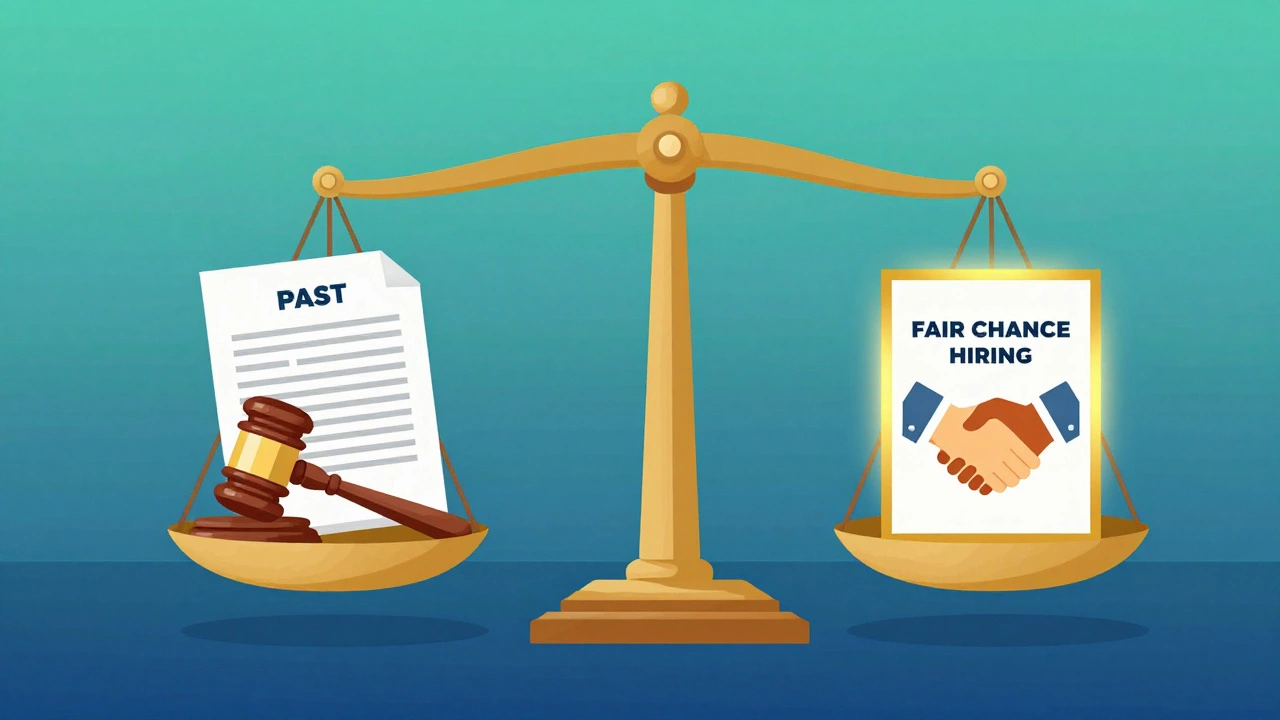
Then there’s the concept of "Fair Chance" hiring. This goes a step further than Ban the Box. It requires employers to consider factors like the nature of the offense, how long ago it happened, and whether you’ve rehabilitated since then. They can’t just say "no" because a box was checked. They have to give you a chance to explain. Understanding these terms helps you target states that actually enforce them.
Top Felon-Friendly States for Public Sector Employment
If you’re moving or applying remotely, location matters. Here are five states that stand out for their progressive policies regarding applicants with criminal records. These aren’t guarantees, but they are places where the odds are better stacked in your favor.
- California: California is arguably the leader in second-chance legislation. The California Fair Chance Act applies to both private and public employers. State agencies must conduct an individualized assessment before revoking an offer based on criminal history. They have to consider if the conviction is directly related to the duties of the job. For example, a theft conviction might bar you from handling cash, but it shouldn’t stop you from working in IT support.
- New York: New York’s Correction Law Article 23-A is robust. It prevents automatic disqualification for any applicant. Employers must determine if the conviction bears a direct and substantial relationship to the job. New York City also has its own Local Law 144, which expands these protections. Many city agencies, from sanitation to administration, actively hire people with records.
- Hawaii: Hawaii has some of the strictest limits on when employers can even look at your record. Generally, they can’t ask until you’ve been hired. The state government follows suit, focusing heavily on rehabilitation and reintegration. If you’re skilled in healthcare or education, Hawaii’s public schools and hospitals are worth exploring.
- Illinois: The Illinois Job Opportunities for Qualified Applicants Act (JOQA) is strong. It requires employers to wait until the final stage of hiring to check records. More importantly, it mandates that they consider mitigating factors, such as your age at the time of the offense and evidence of rehabilitation. Chicago municipal jobs often adhere closely to these guidelines.
- Maryland: Maryland’s Criminal Record Seal Statute allows many older convictions to be sealed automatically. If your record is sealed, legally, it doesn’t exist for most employment purposes. This is huge for government jobs. Check if your specific conviction qualifies for sealing under Maryland law-it could instantly clear your path.
Which Government Jobs Are Realistic?
Not every government role is off-limits. In fact, many agencies are desperate for workers and are willing to overlook certain backgrounds. Here’s where you should focus your energy:
- Administrative and Clerical Roles: Data entry, filing, customer service, and general office support. These roles rarely require high-level security clearances. As long as your record doesn’t involve fraud or violence against public officials, you have a shot.
- Sanitation and Maintenance: Trash collection, road maintenance, park upkeep, and facility cleaning. These are essential services. Agencies like the Department of Sanitation in major cities often have dedicated programs for hiring people with records. The work is hard, but it’s stable, unionized, and pays well.
- IT and Technical Support: Unless the position involves national security or sensitive financial data, many tech roles are evaluated on skill rather than history. Cybersecurity firms within the government might be stricter, but general helpdesk or network maintenance roles are more flexible.
- Reentry and Social Services: Ironically, some agencies that help offenders reintegrate hire people who have been through the system. Case management, peer support specialist roles, and community outreach positions value lived experience. Your past becomes an asset here, not a liability.
Avoid roles in law enforcement, corrections, child welfare, and finance unless you have a clean slate. These fields have federal or state mandates that strictly prohibit hiring individuals with certain felonies. Don’t waste time applying there unless you’ve confirmed eligibility with a legal expert.
Navigating the Background Check Process
Even in friendly states, you will face a background check. The key is preparation. When you get to the stage where they ask about your record, don’t hide anything. Lying on an application is an instant fireable offense, even if the original conviction wasn’t.
Here’s how to handle the disclosure:
- Be Honest and Brief: List the conviction, the date, and the outcome. Don’t write a novel. Stick to the facts.
- Highlight Rehabilitation: Use the cover letter or the interview to discuss what you’ve done since. Did you complete probation? Go back to school? Get certified? Volunteer? Show them you are different now.
- Connect It to the Job: If asked why they should hire you, frame your past as a lesson in resilience and responsibility. "I made a mistake, I paid my debt to society, and now I’m focused on building a stable career. This job aligns with my goal of long-term stability."
- Know Your Rights: If you feel you are being discriminated against unfairly despite meeting all criteria, contact the Equal Employment Opportunity Commission (EEOC) or your state’s civil rights division. They can investigate illegal discrimination.
The Role of Federal vs. State Agencies
It’s crucial to distinguish between state and federal jobs. Federal agencies follow their own rules, set by the Office of Personnel Management (OPM). Generally, federal hiring is stricter. They use a seven-year rule for many positions, meaning they only look at the last seven years of history. However, for security-sensitive roles, they go back indefinitely.
If you have a very old felony, federal jobs might actually be easier than state jobs if the state looks back forever. But if your record is recent, stick to state and local governments in the friendly states listed above. Local municipalities (cities and counties) often have more flexibility than state departments because they control their own hiring boards.

Building a Competitive Profile
Your criminal record is just one part of your application. To beat the competition, you need to strengthen the rest. Here’s what makes a candidate stand out:
- Certifications: Get certified in relevant skills. For IT, think CompTIA A+ or Network+. For admin, Microsoft Office Specialist certifications. These prove competence objectively.
- Volunteer Work: Fill gaps in your resume with volunteer experience. It shows community engagement and reliability. Plus, you can list references from volunteer coordinators.
- Education: Even if you didn’t finish college, taking community college courses shows initiative. Many government jobs prefer candidates with some post-secondary education, even if a degree isn’t required.
- References: Have three solid references ready. Ideally, one from a former employer, one from a teacher or trainer, and one character reference (like a mentor or religious leader). Make sure they know you’re applying and can speak to your character.
Common Pitfalls to Avoid
Many people self-reject before they even apply. Don’t fall into these traps:
- Assuming All Government Jobs Are Closed: They aren’t. Only apply to roles that explicitly state "no felonies" if you want to save time, but don’t assume silence means rejection.
- Applying for High-Security Roles Too Soon: If you want to work in intelligence or high-level finance, wait. Build a track record in lower-security roles first. After 5-10 years of clean behavior, doors may open.
- Ignoring Local Laws: Cities like Seattle, Portland, and Los Angeles have their own ordinances that are even stricter than state laws. Research the specific city you’re applying to.
- Not Sealing Records: If eligible, petition to seal or expunge your record. It costs money and time, but it removes the barrier entirely for most non-government and some government jobs.
Resources for Second-Chance Job Seekers
You don’t have to do this alone. Several organizations specialize in helping people with records find employment:
- Goodwill Industries: Offers job training and placement services specifically for people with barriers to employment.
- National Reentry Resource Center: Provides state-by-state guides on employment laws and resources.
- Local Department of Labor: Most states have workforce development centers that can connect you with employers who are open to hiring people with records.
- Legal Aid Societies: Can help you understand your rights and assist with record sealing petitions.
Finding a government job with a felony record is challenging, but it’s far from impossible. By targeting the right states, understanding the laws, and presenting yourself as a rehabilitated, skilled candidate, you can break through the stigma. Start with local municipal jobs in California, New York, or Illinois, build your track record, and keep pushing forward. Your past defines your history, but it doesn’t have to define your future.
Can I get a government job with a Class D felony?
Yes, it is possible. Class D felonies are generally considered less severe than A, B, or C felonies. Many state and local agencies will hire for administrative, maintenance, or technical roles if the felony is unrelated to the job duties. States like California and New York require employers to assess the relevance of the crime to the position rather than auto-rejecting.
Do federal government jobs check criminal records?
Yes, all federal jobs require a background check. The depth varies by position. Most civilian roles look back seven years, but positions requiring security clearances or involving public safety may look back indefinitely. The Office of Personnel Management (OPM) conducts these checks, and they are generally stricter than state agencies.
What is the difference between Ban the Box and Fair Chance hiring?
Ban the Box simply delays when an employer can ask about your criminal history-usually until after an interview. Fair Chance hiring goes further by requiring employers to consider mitigating factors (like time passed and rehabilitation) before making a final decision. Fair Chance laws often include a pre-adverse action notice, giving you a chance to dispute the findings.
Which government jobs are easiest to get with a felony?
Jobs with low security requirements are the easiest. These include sanitation workers, janitorial staff, data entry clerks, and some IT support roles. Municipal parks and recreation departments also often hire for maintenance and operational roles. Avoid law enforcement, corrections, and finance-related positions.
Can I apply for government jobs if my felony is sealed?
If your felony is legally sealed or expunged, you generally do not have to disclose it on most job applications, including many government ones. However, some high-level security clearances may still access sealed records. Always check the specific instructions on the application form. If it asks about "sealed" records, you must answer honestly.